CLIENT: PRIVATE | AREA: 2,500 m² | PHOTOGRAPHY: S. WÜRSCH & A. ROSSIKHIN
Liebistorf – Garden Beneath the Chestnut Tree
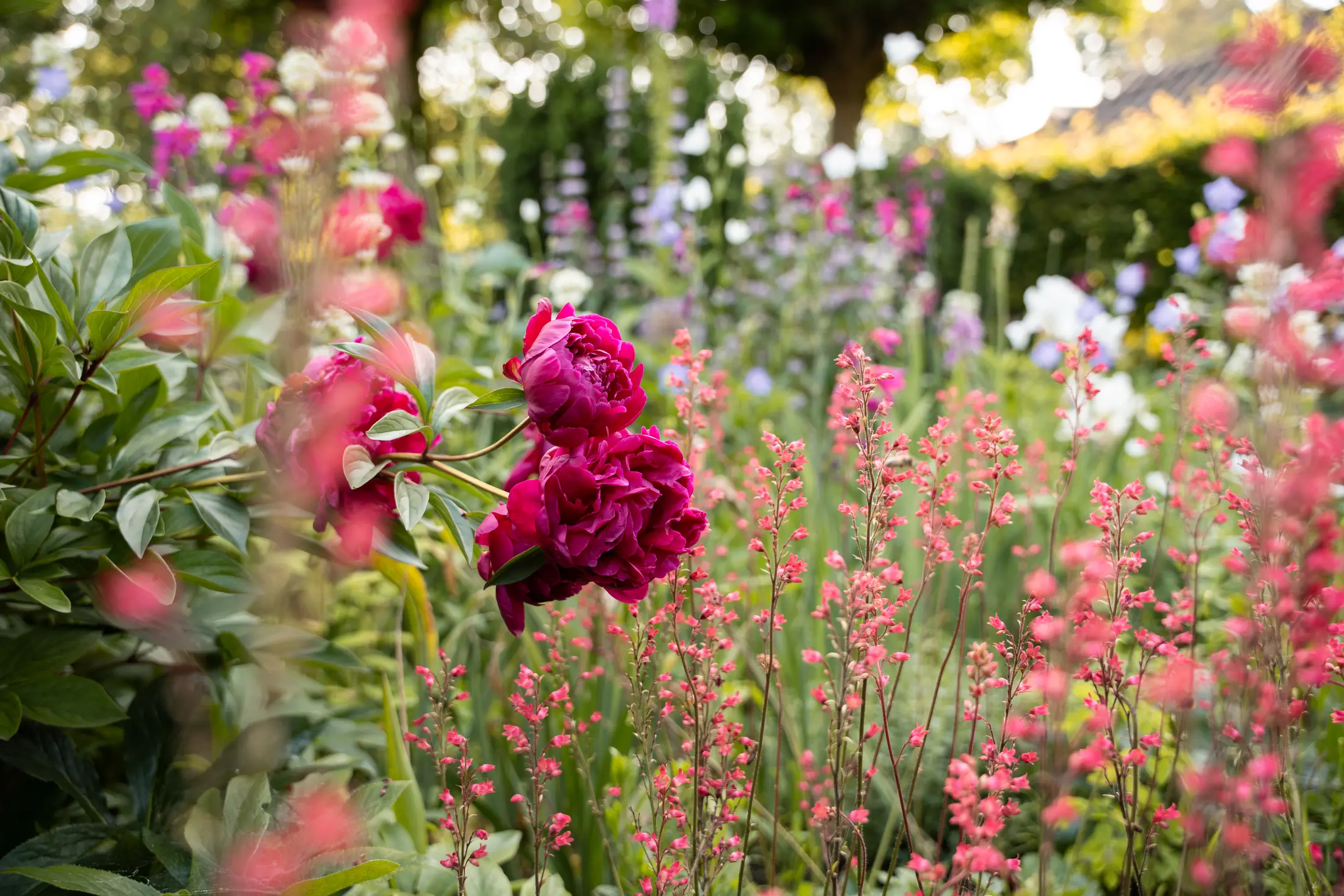
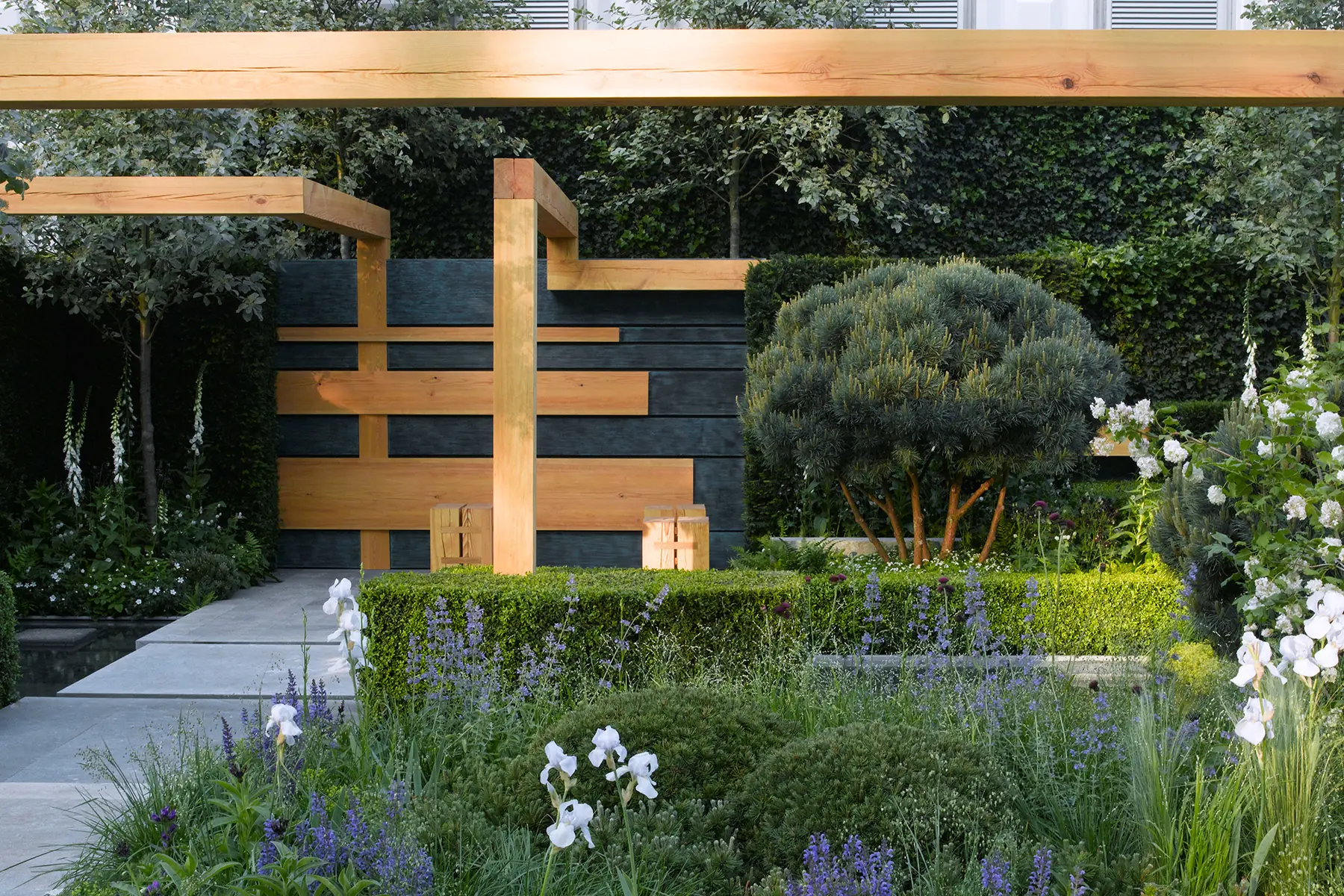
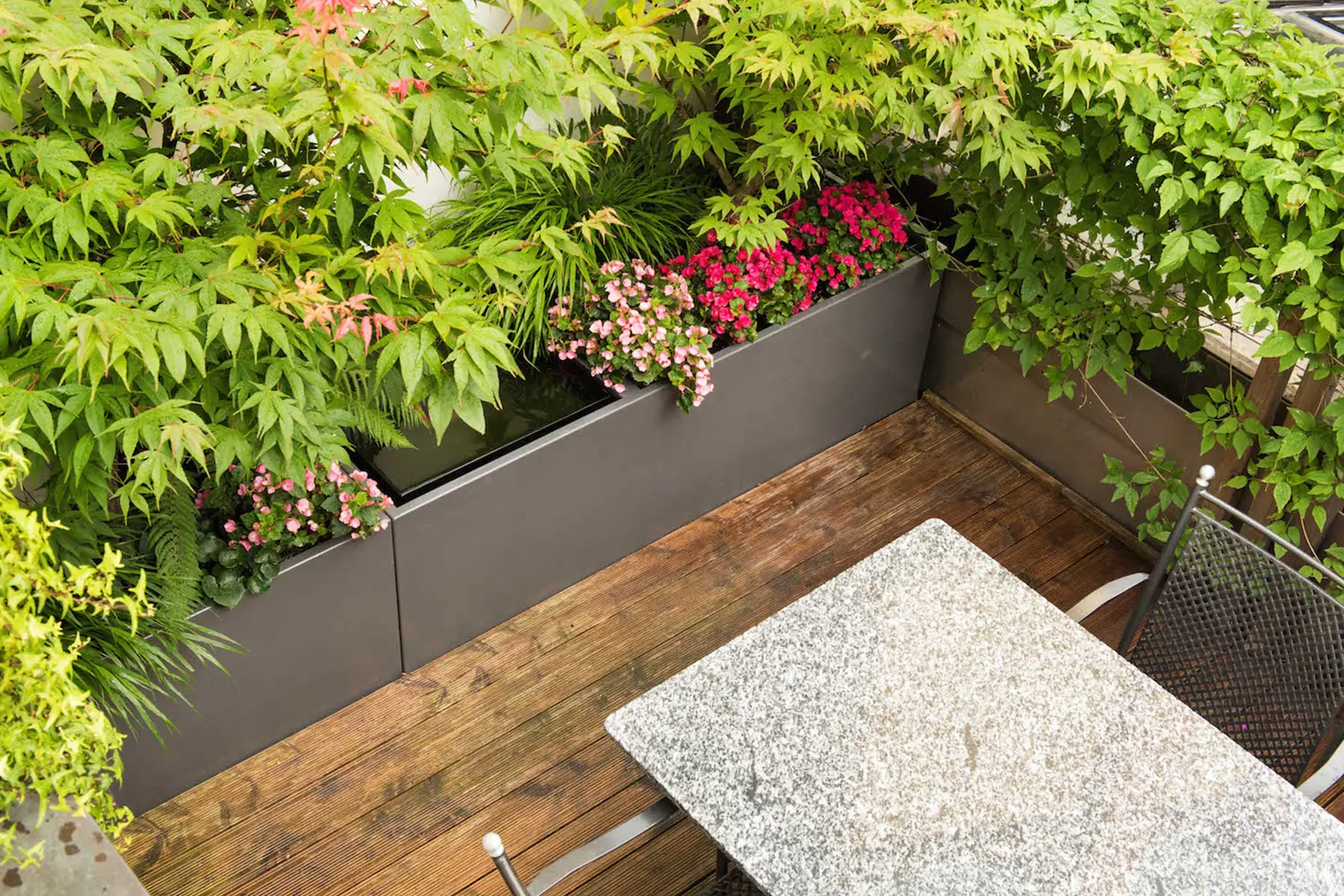
Around a 120-year-old chestnut tree in the canton of Fribourg, a garden of four rooms has grown. Glasshouse, sunken garden, pool and woodland garden are held together by a framework of native trees and shrubs. Within it, the planting unfolds freely and naturalistically.
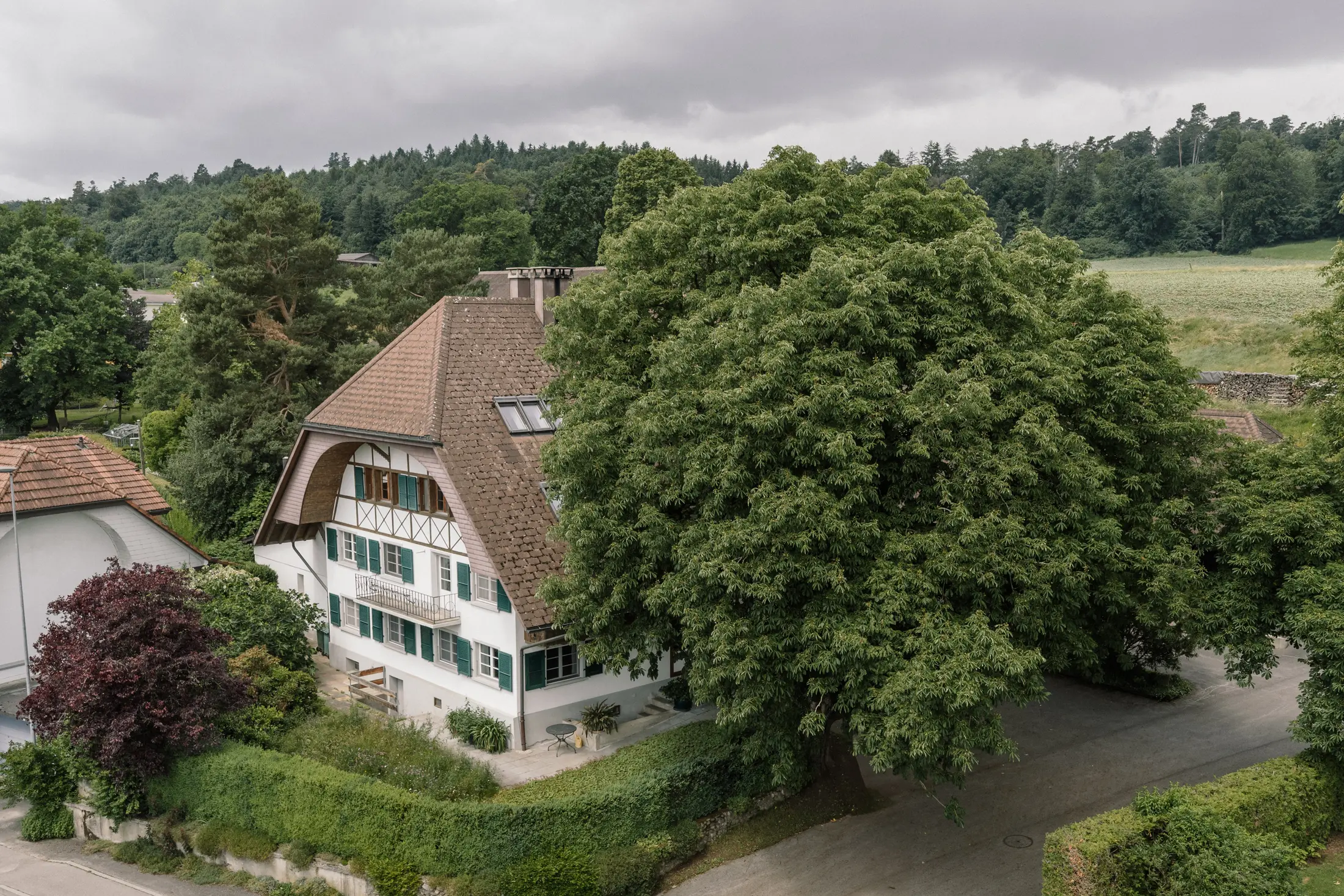
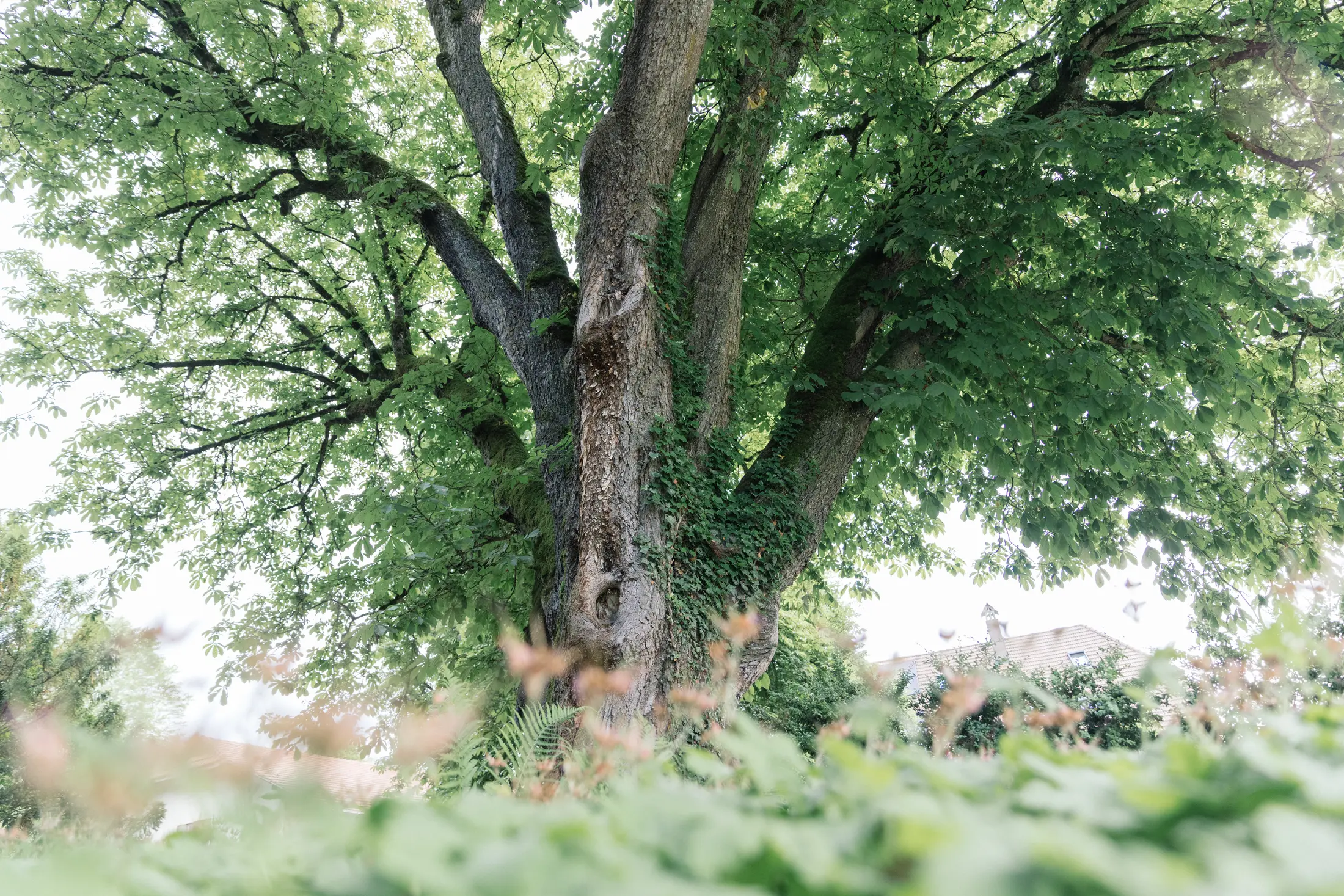
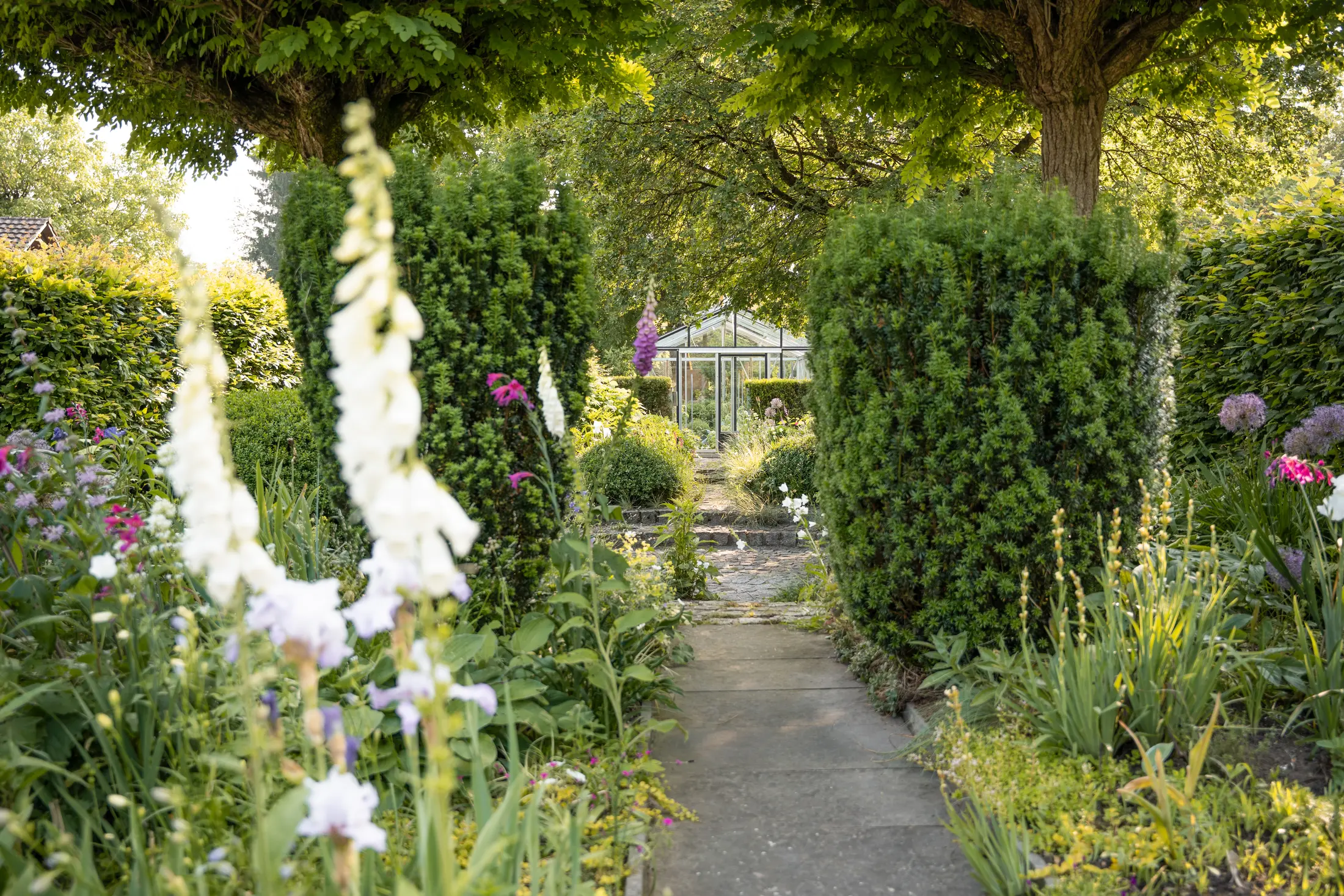
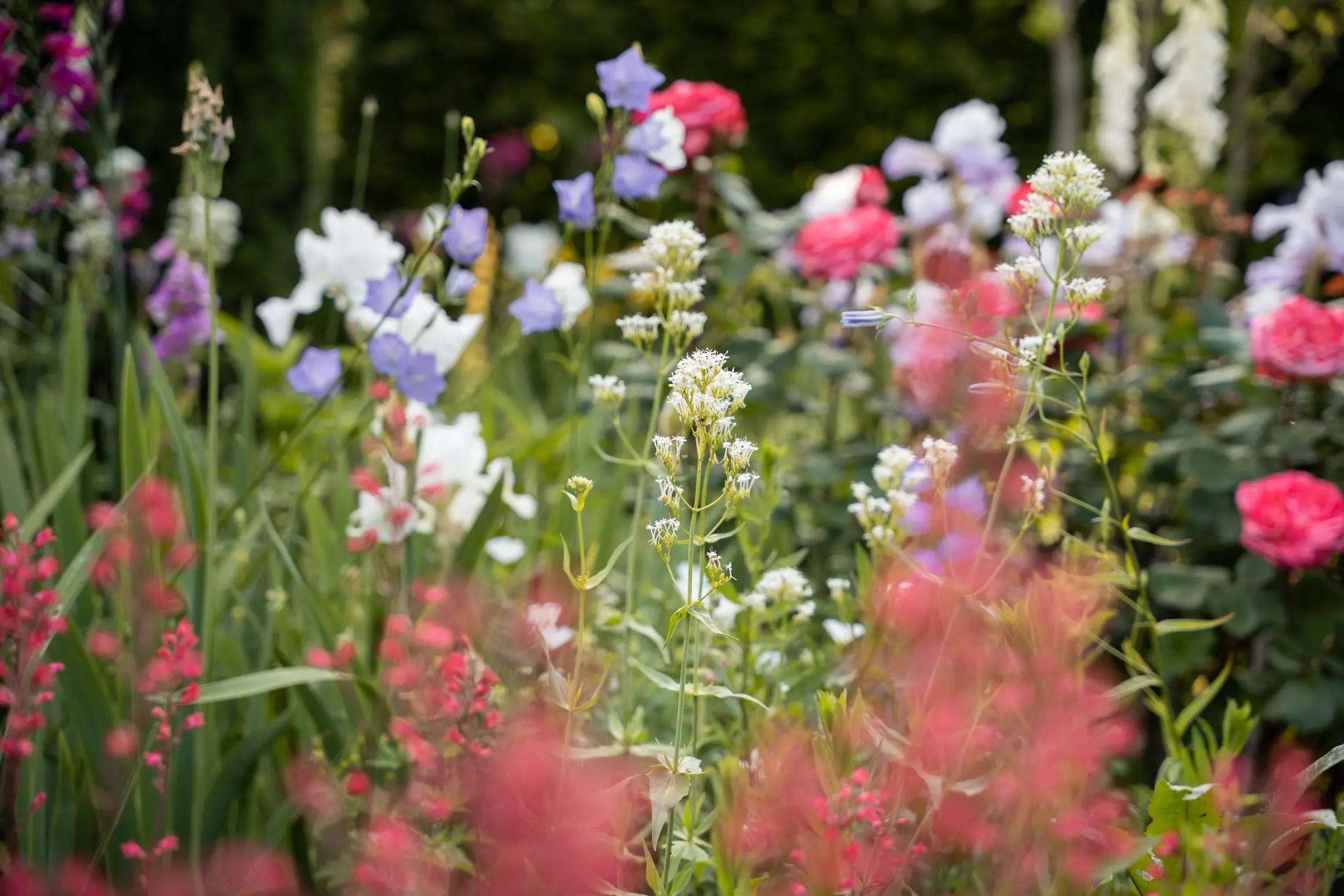
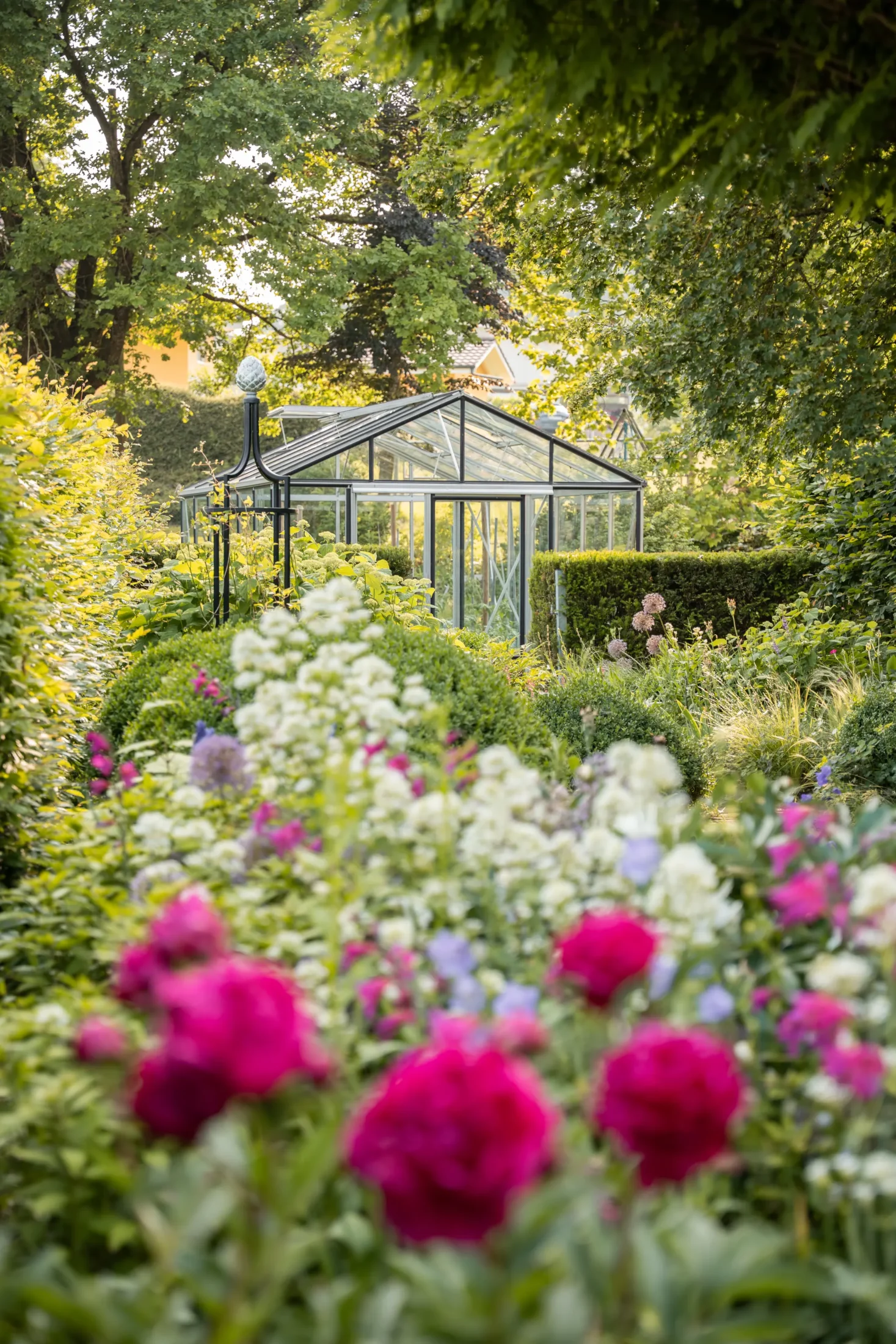
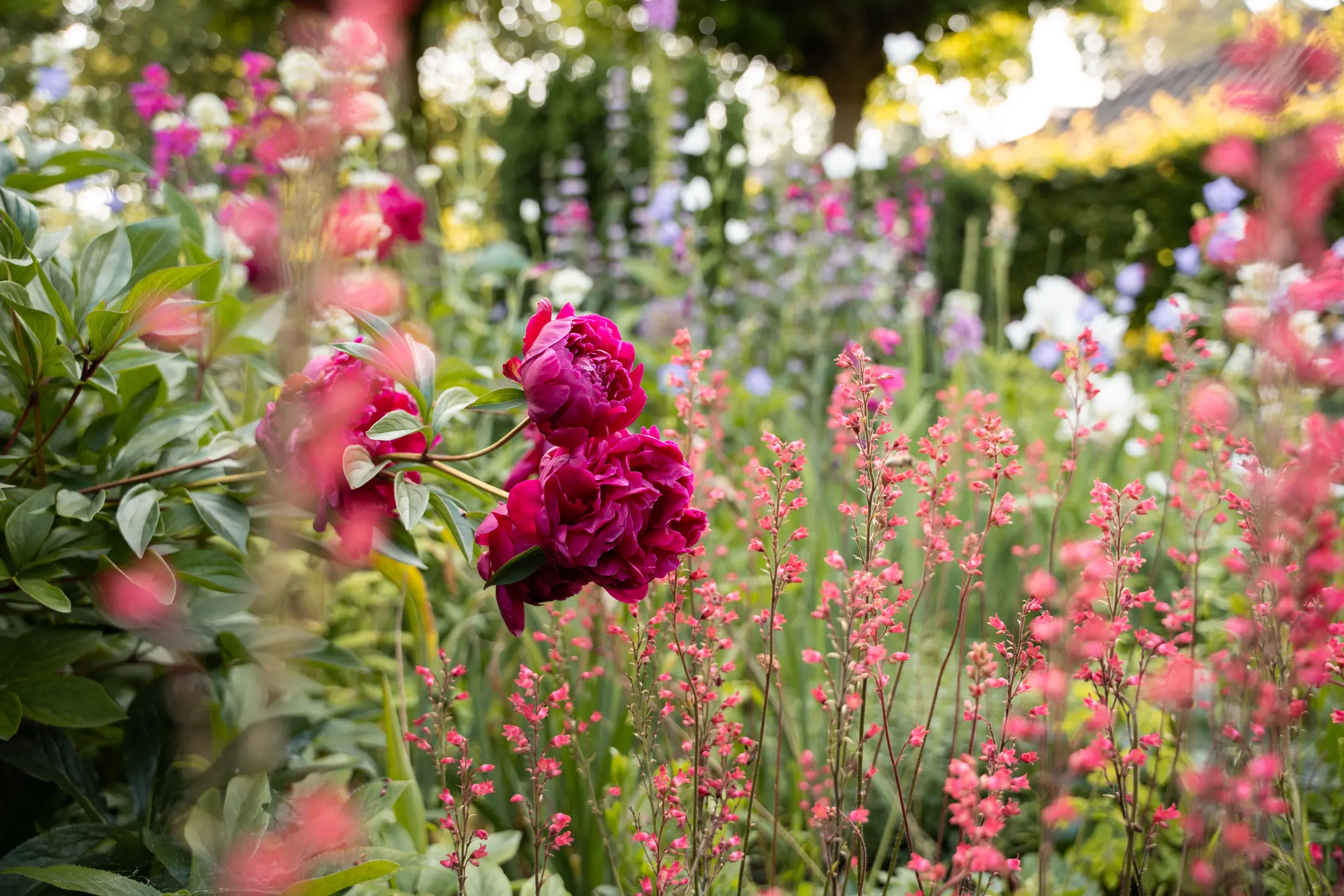
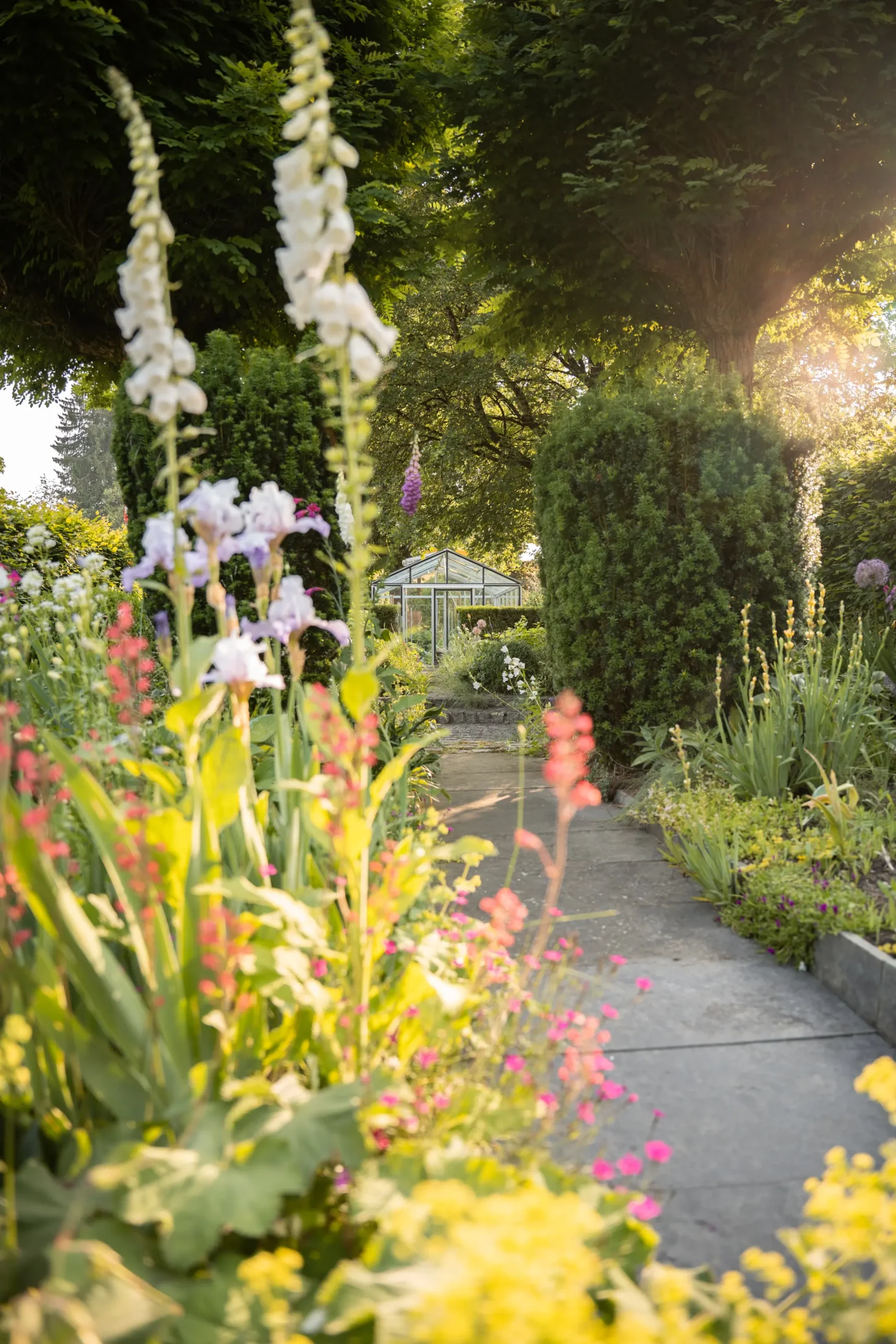
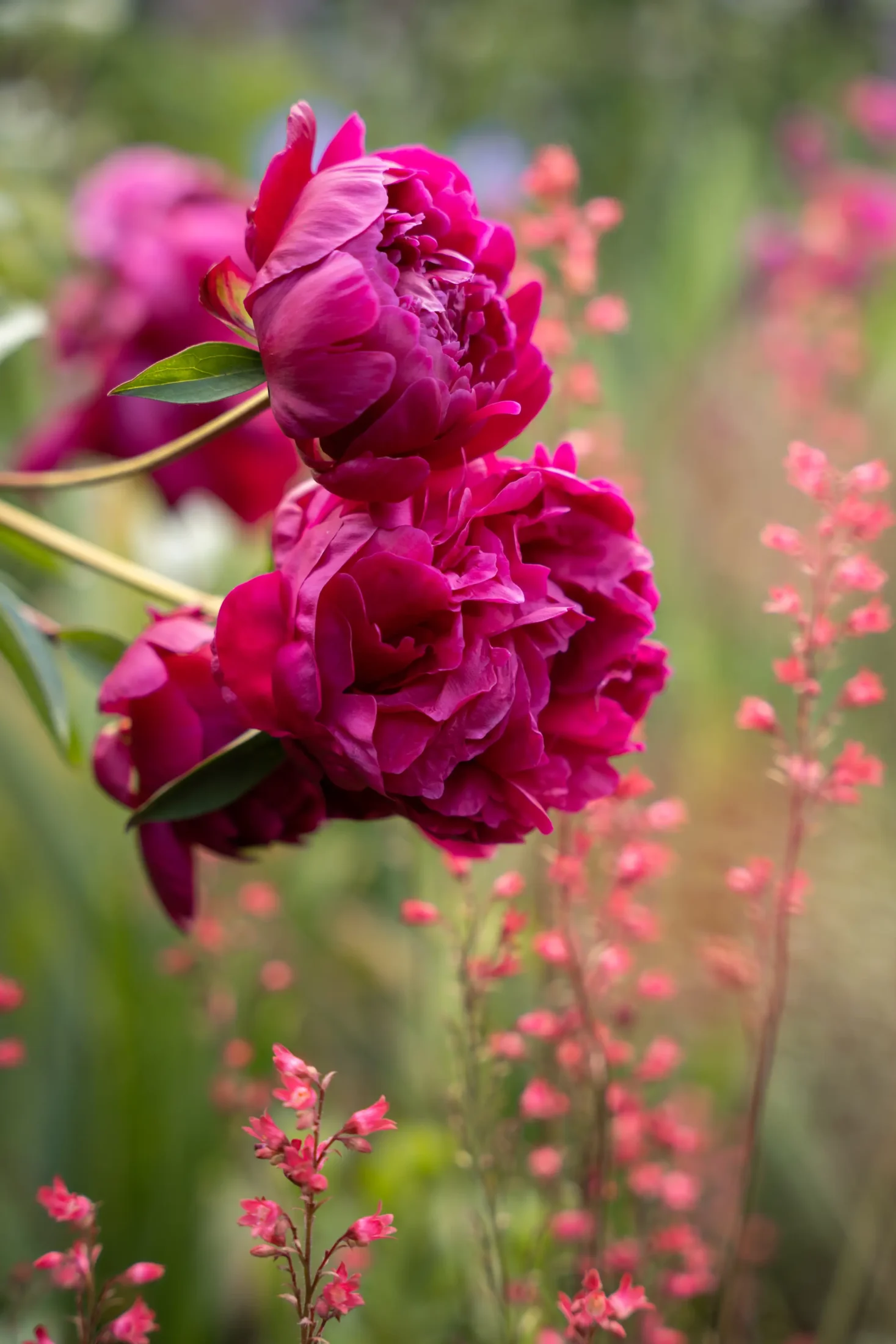
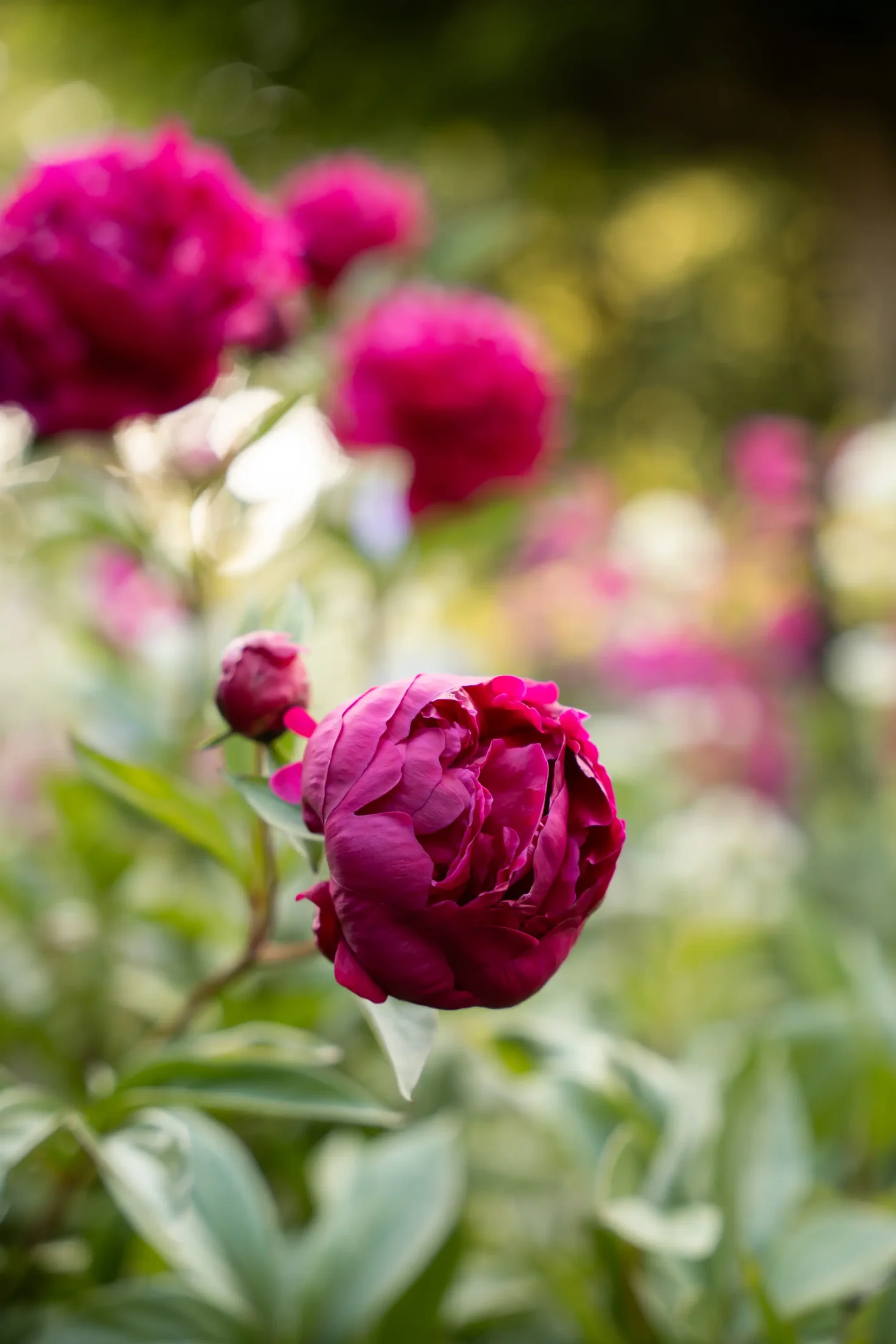
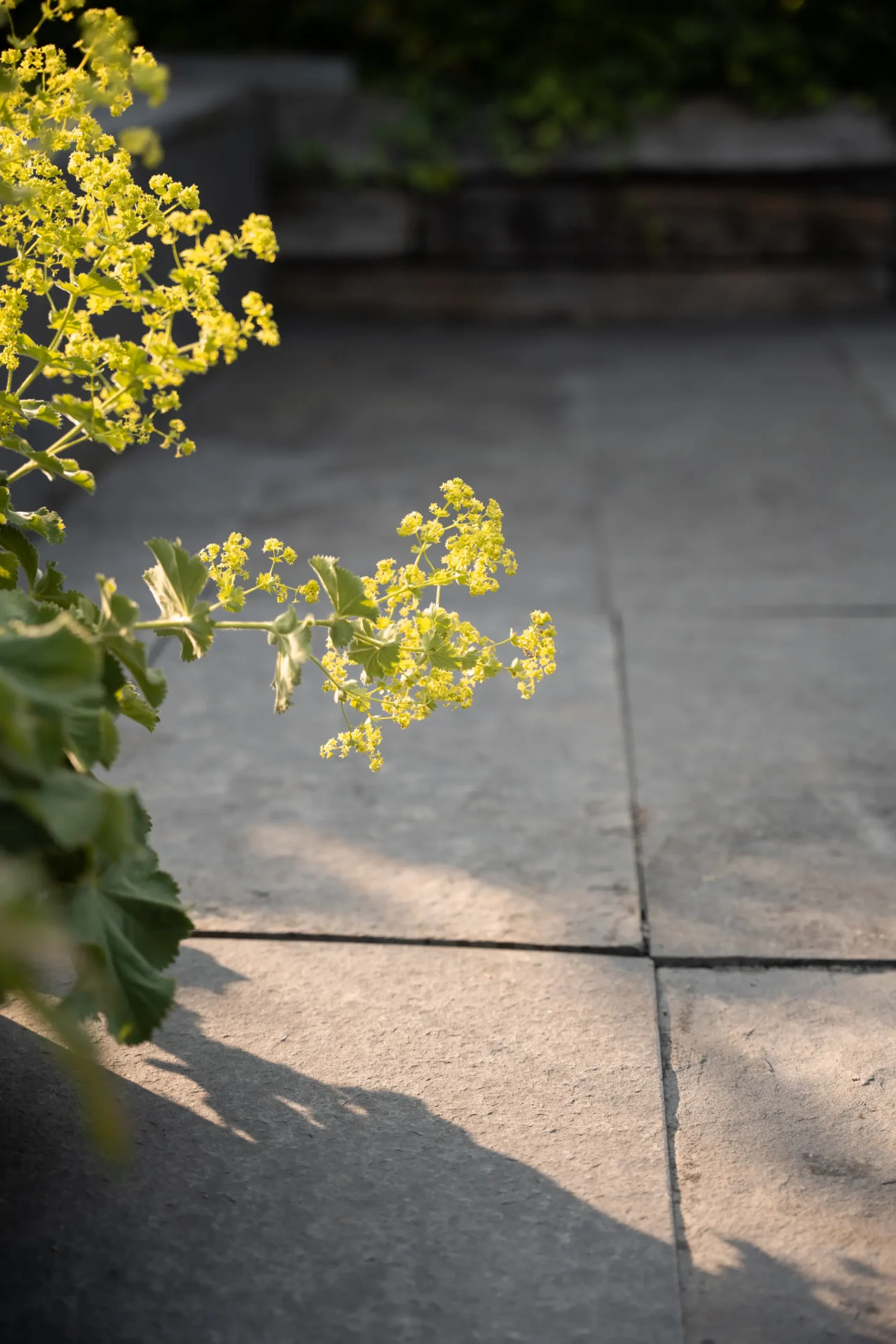
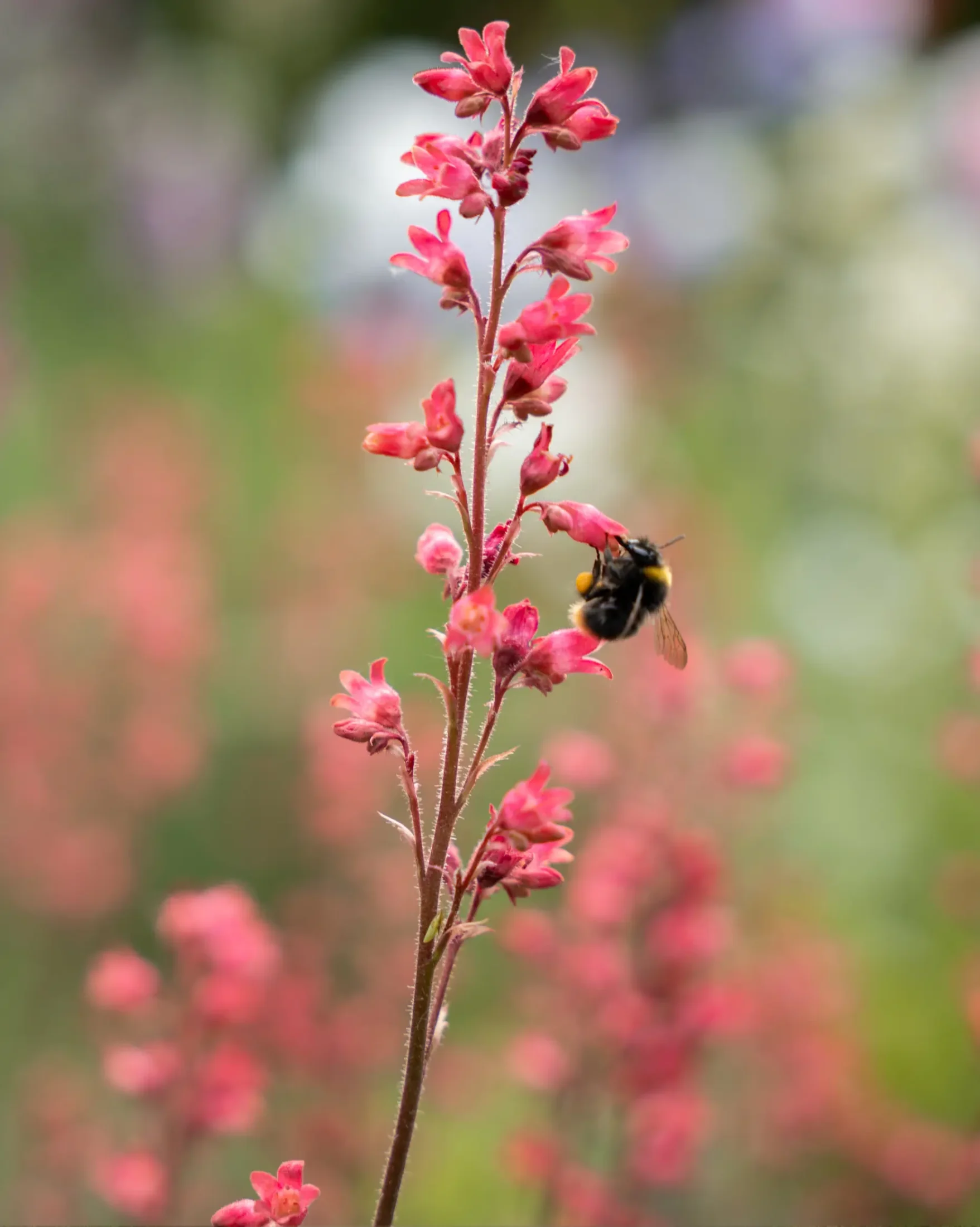
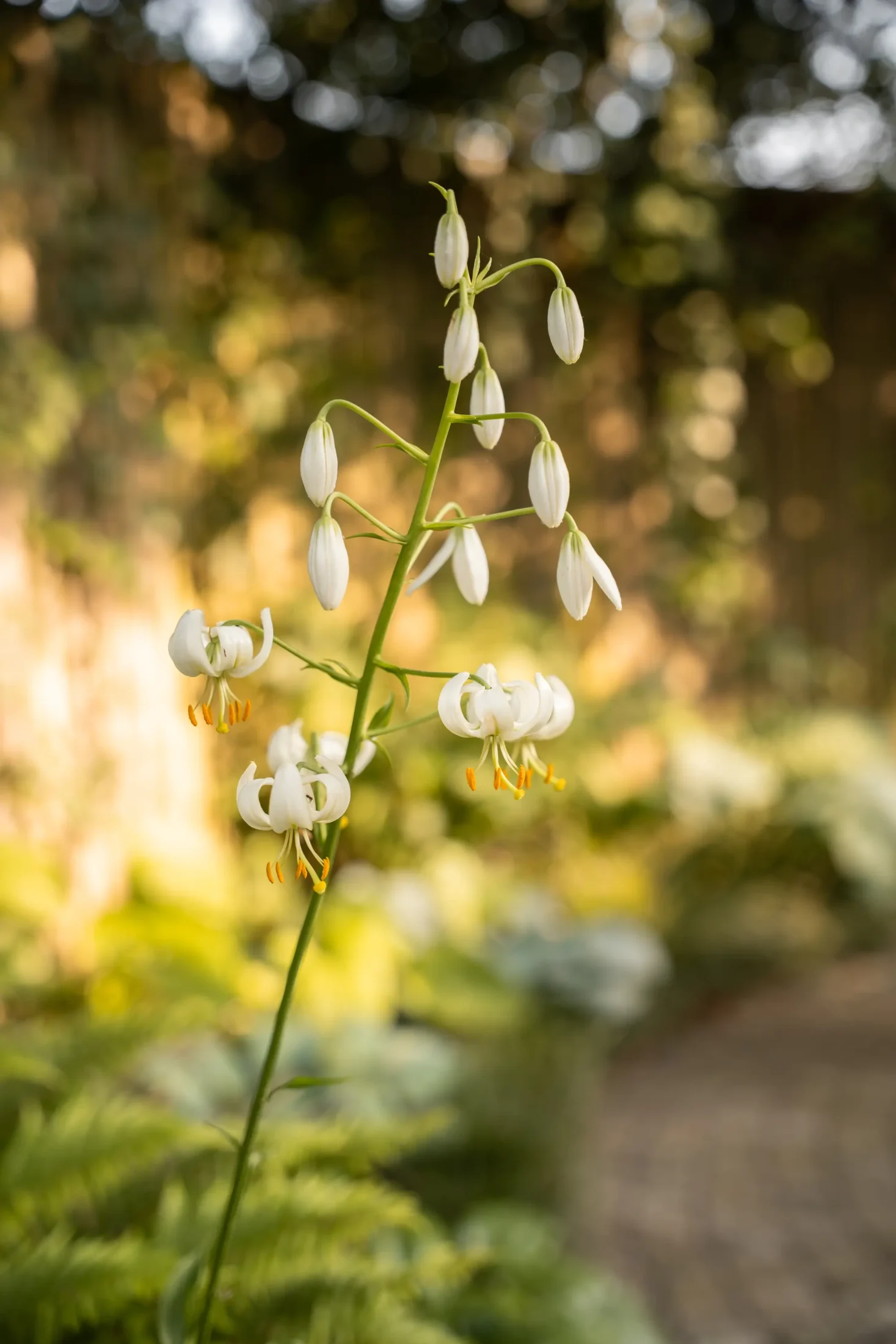
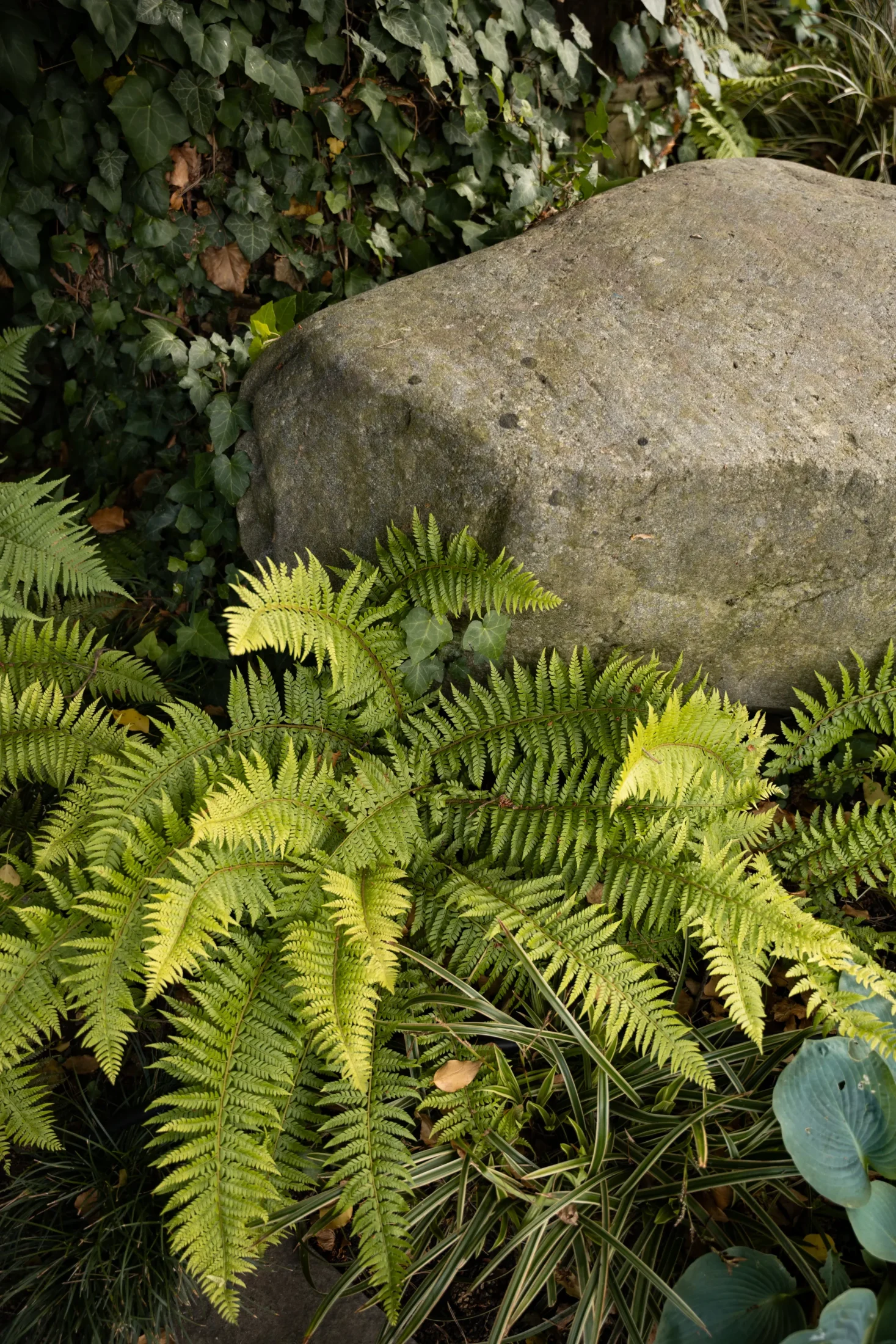
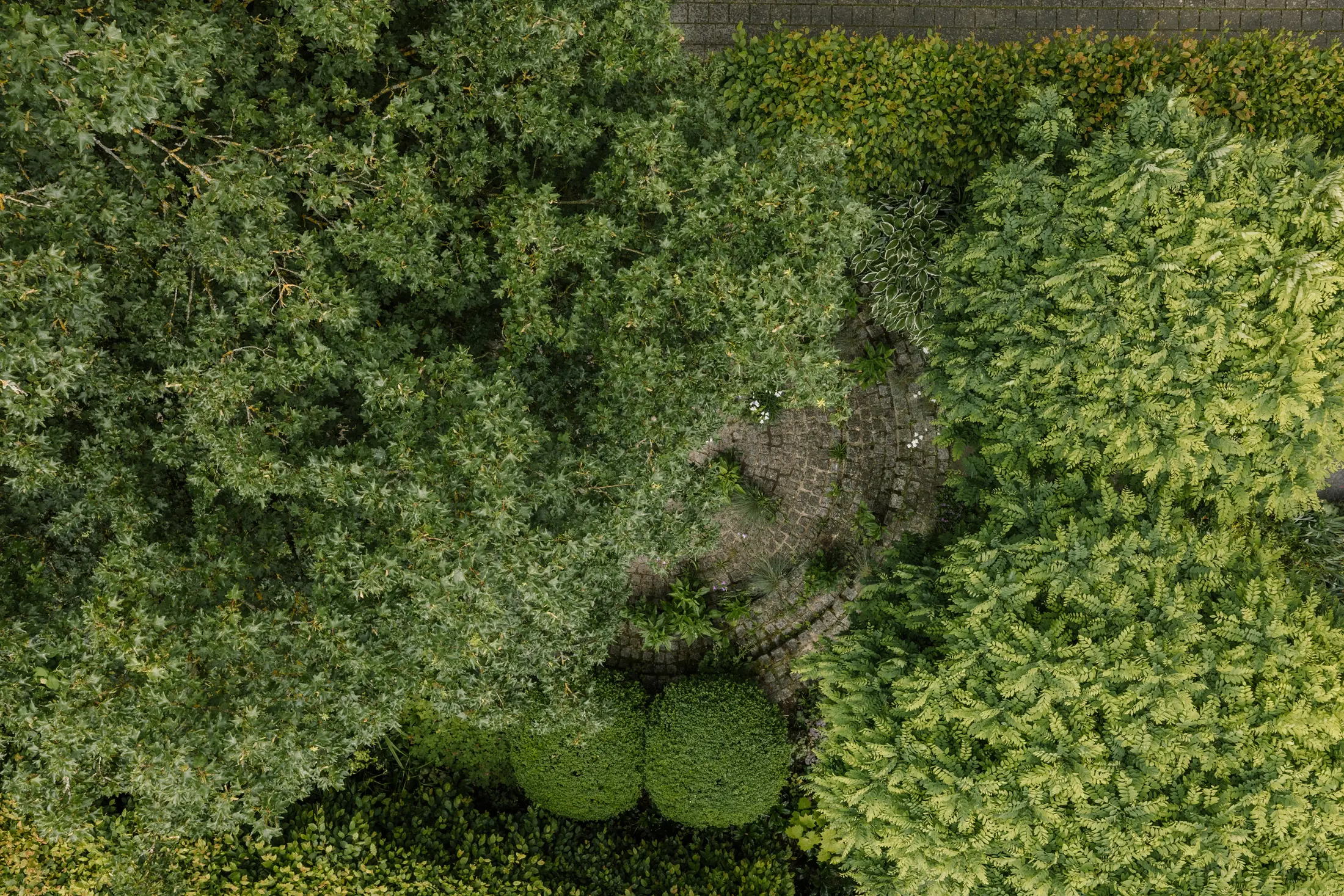
This garden in the canton of Fribourg has been growing for many years and was most recently developed further in 2024. At the entrance to the house stands a 120-year-old chestnut tree, planted beside the farmhouse in keeping with an old custom. It makes the place recognisable long before the garden itself comes into view. The task: to preserve and develop the established system around it without changing its character.
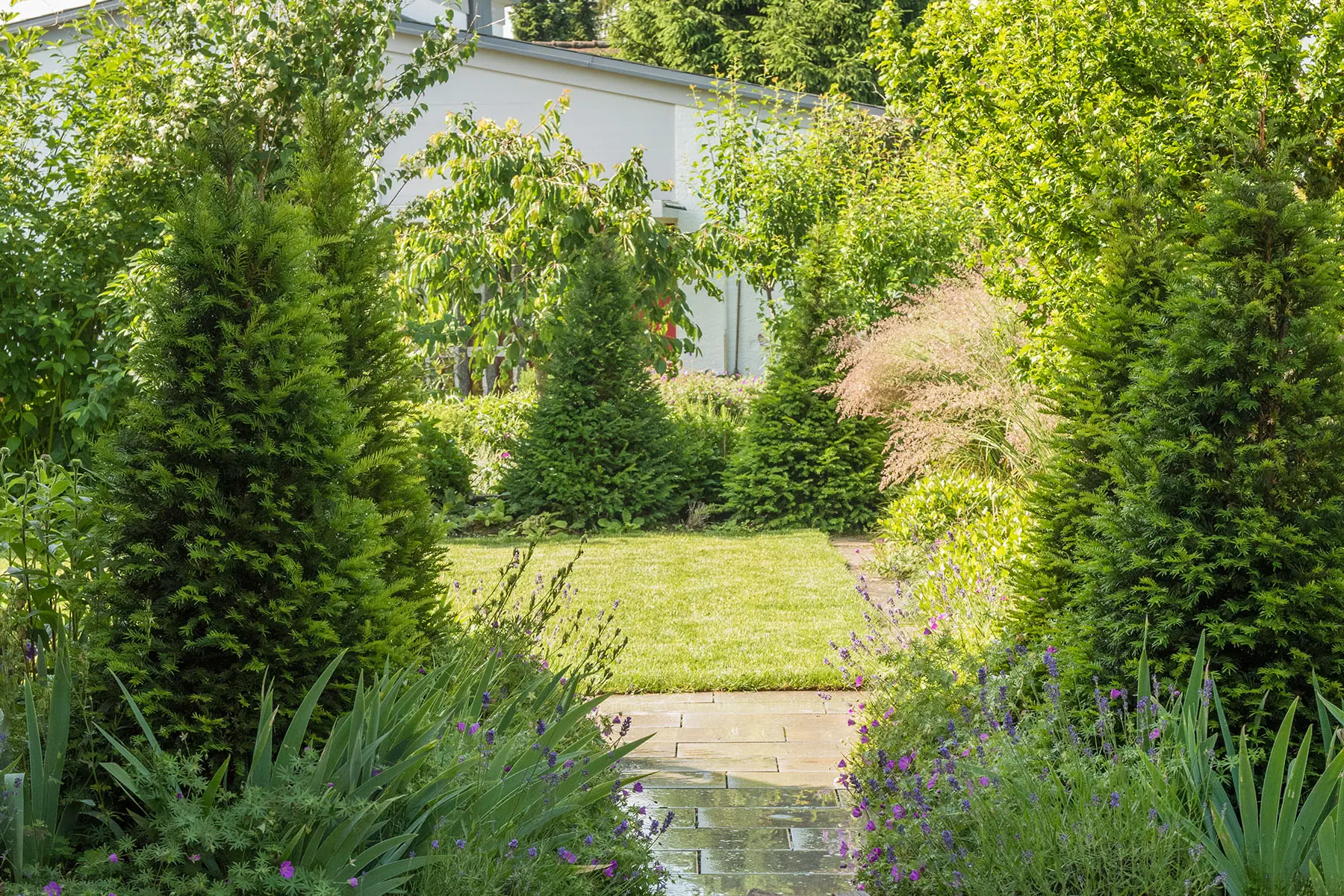
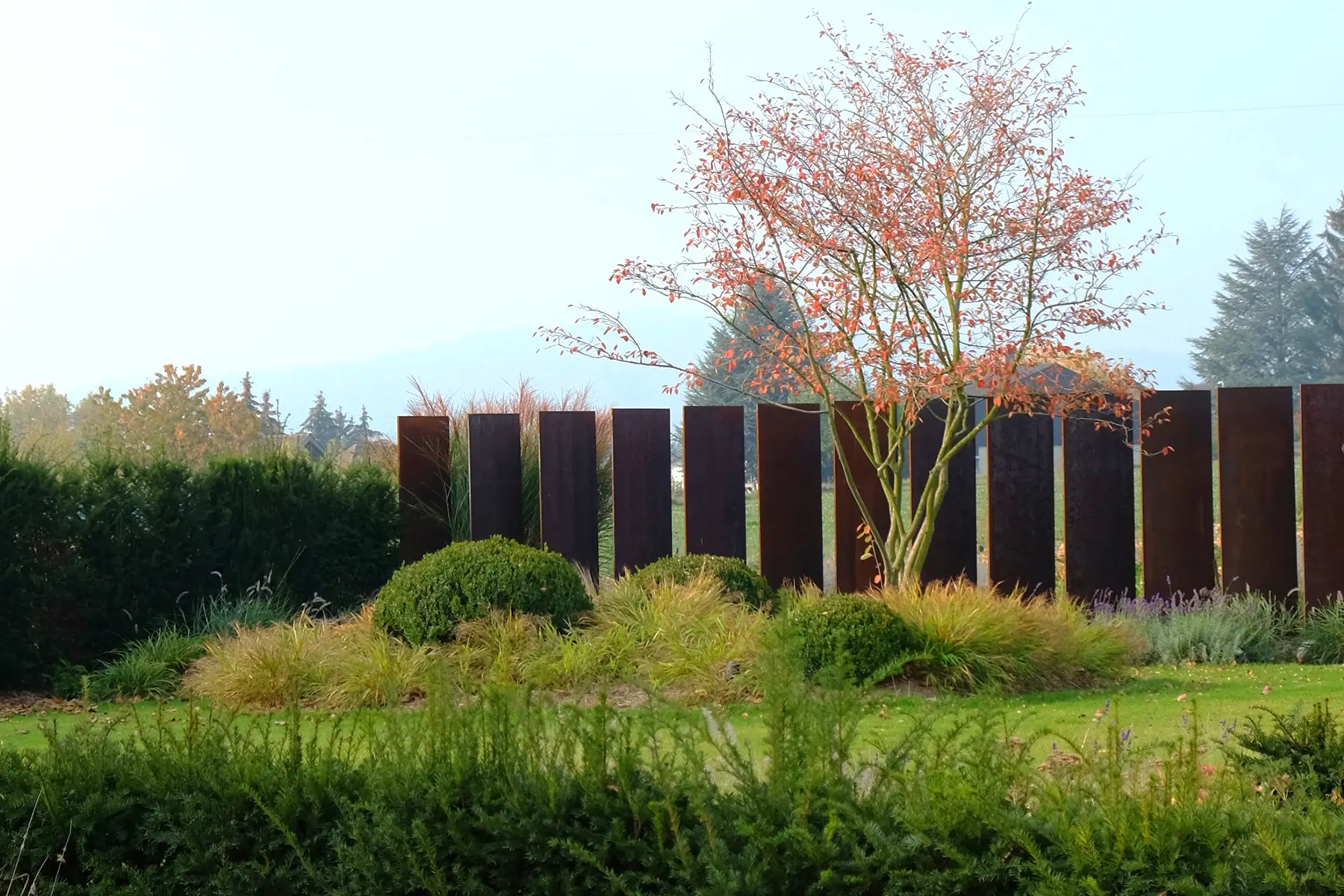
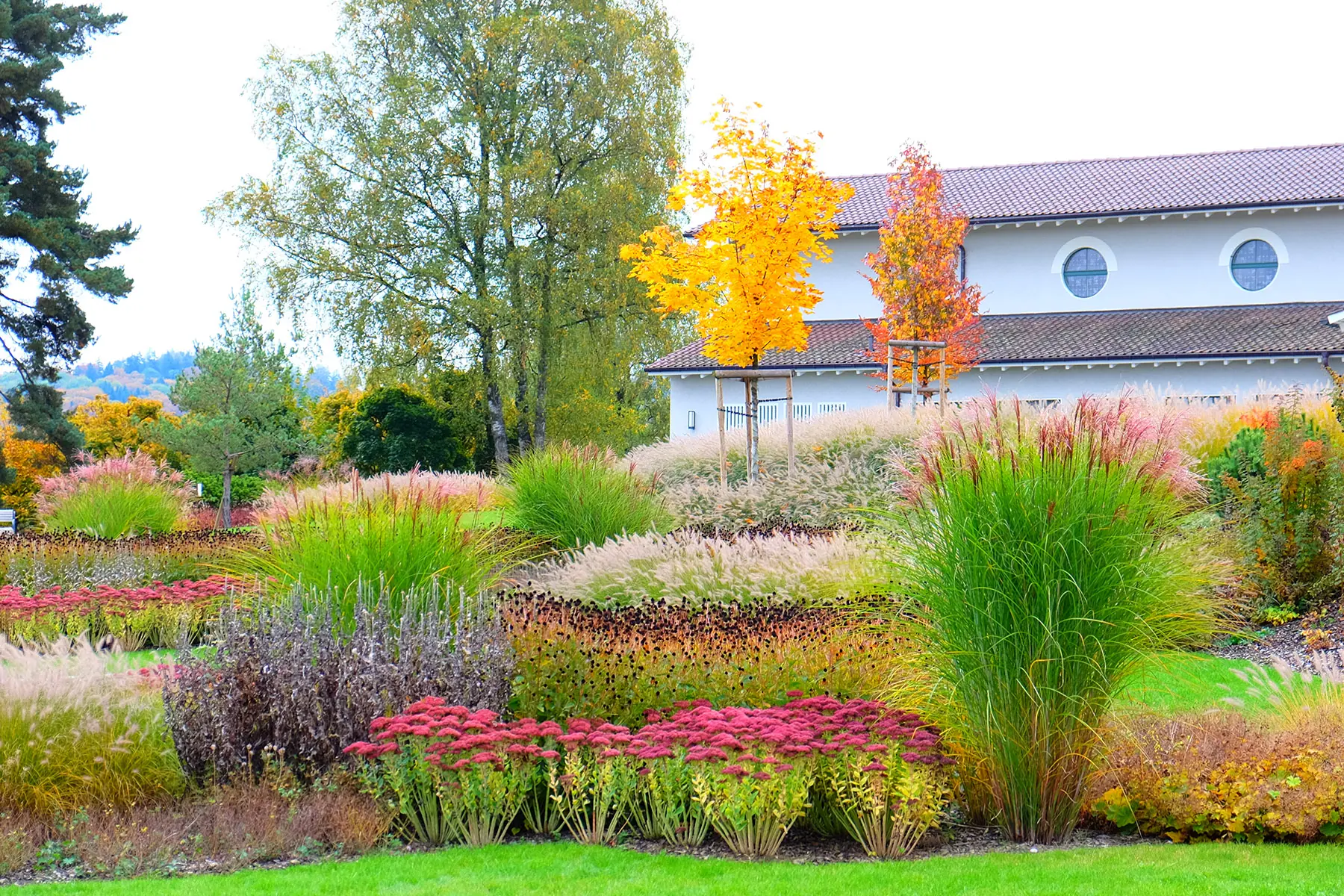
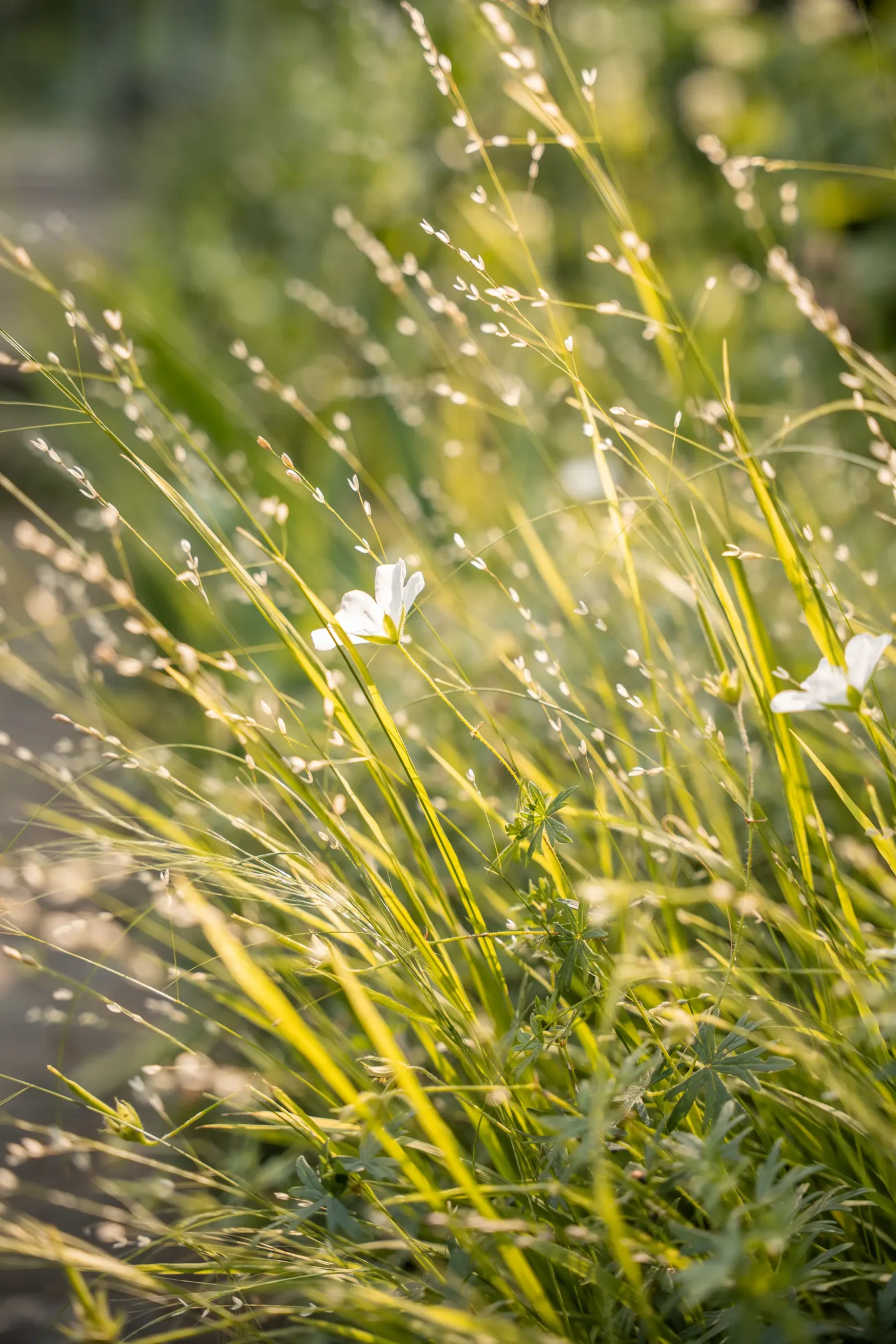
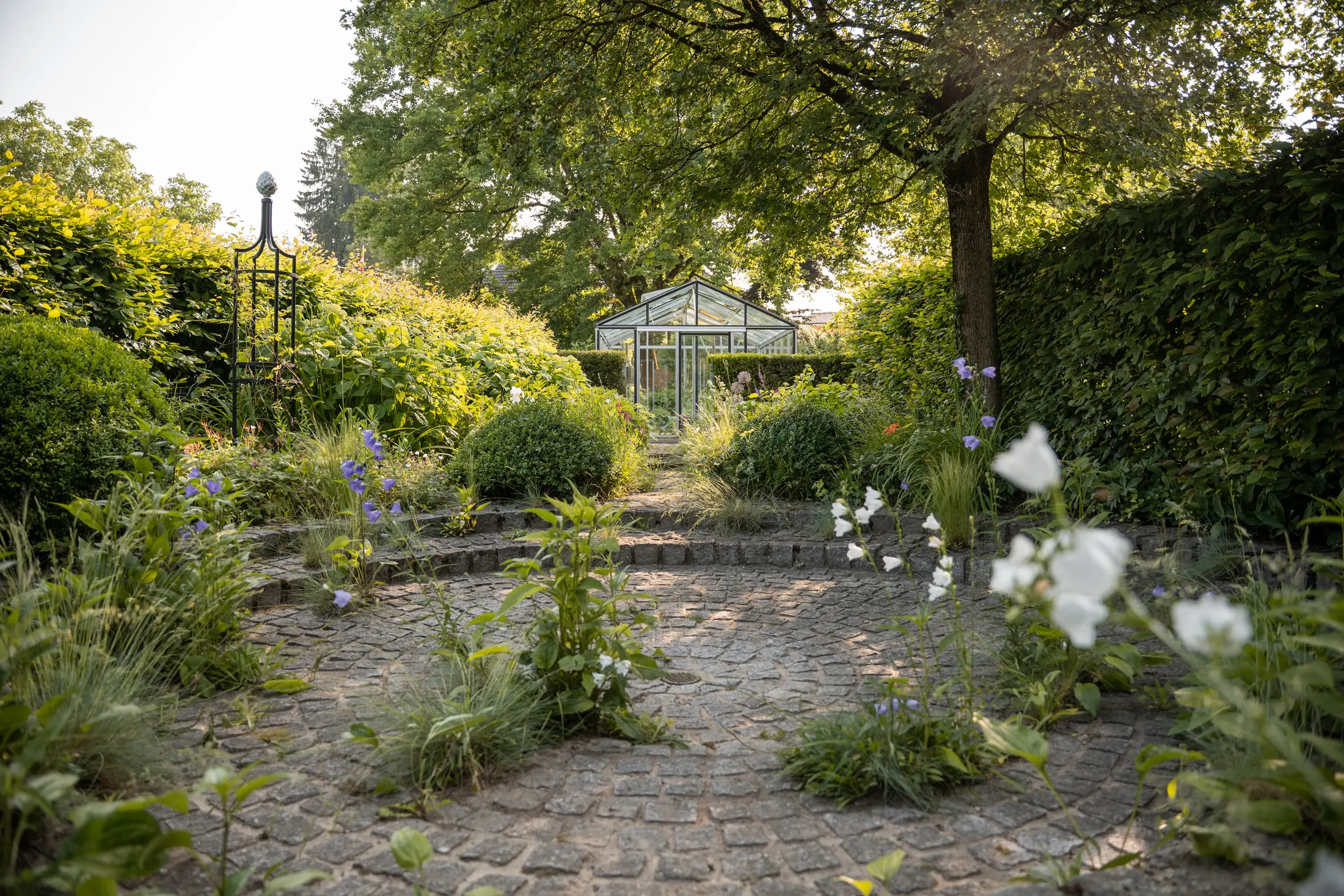
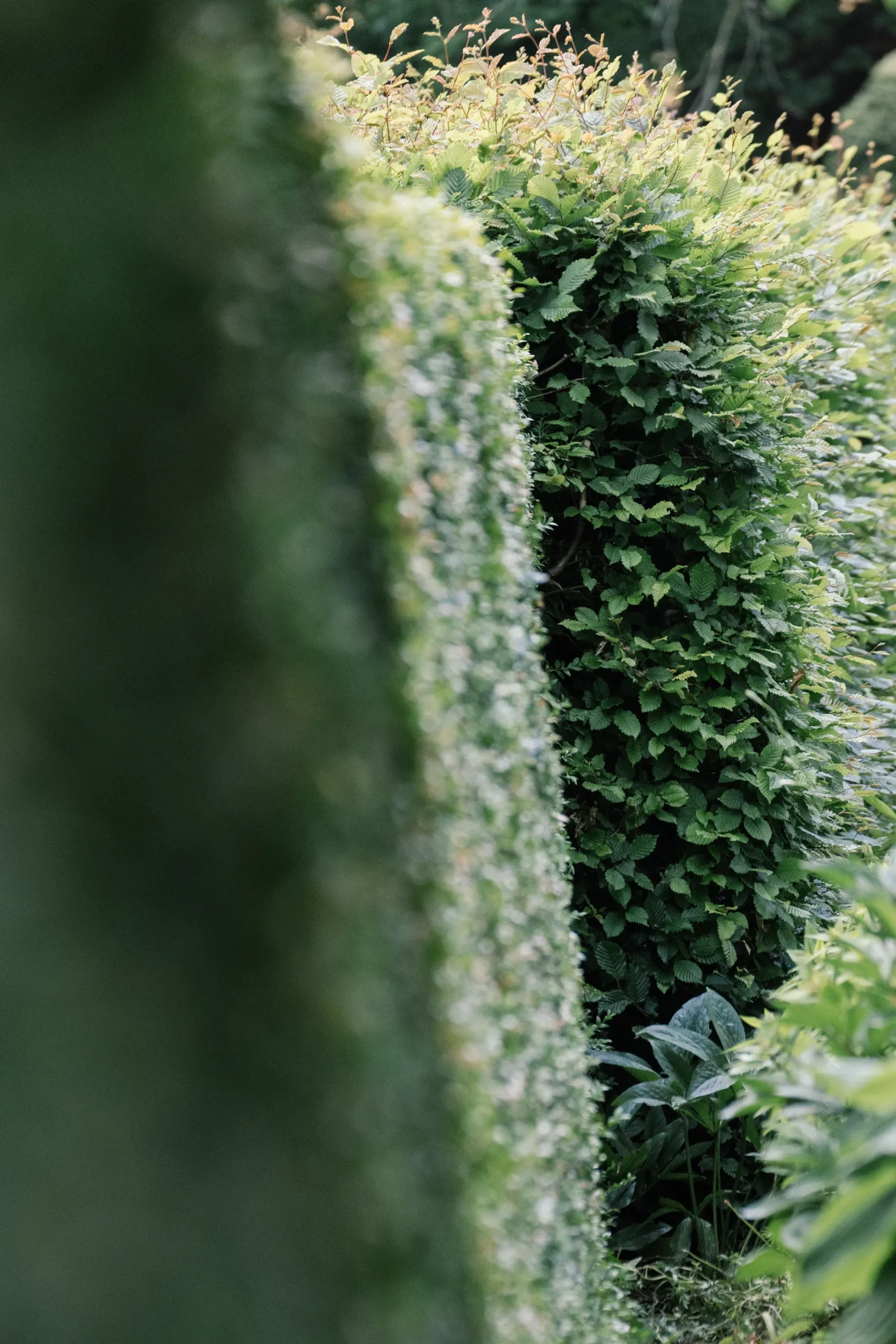
Four distinct garden rooms – a productive glasshouse, an introverted sunken garden, a pared-back pool area and a shady woodland garden – were to come together as one coherent whole. The solution lay not in the plan but in the framework: native, site-appropriate trees and shrubs that provide structure, while the planting within is free to unfold naturalistically.
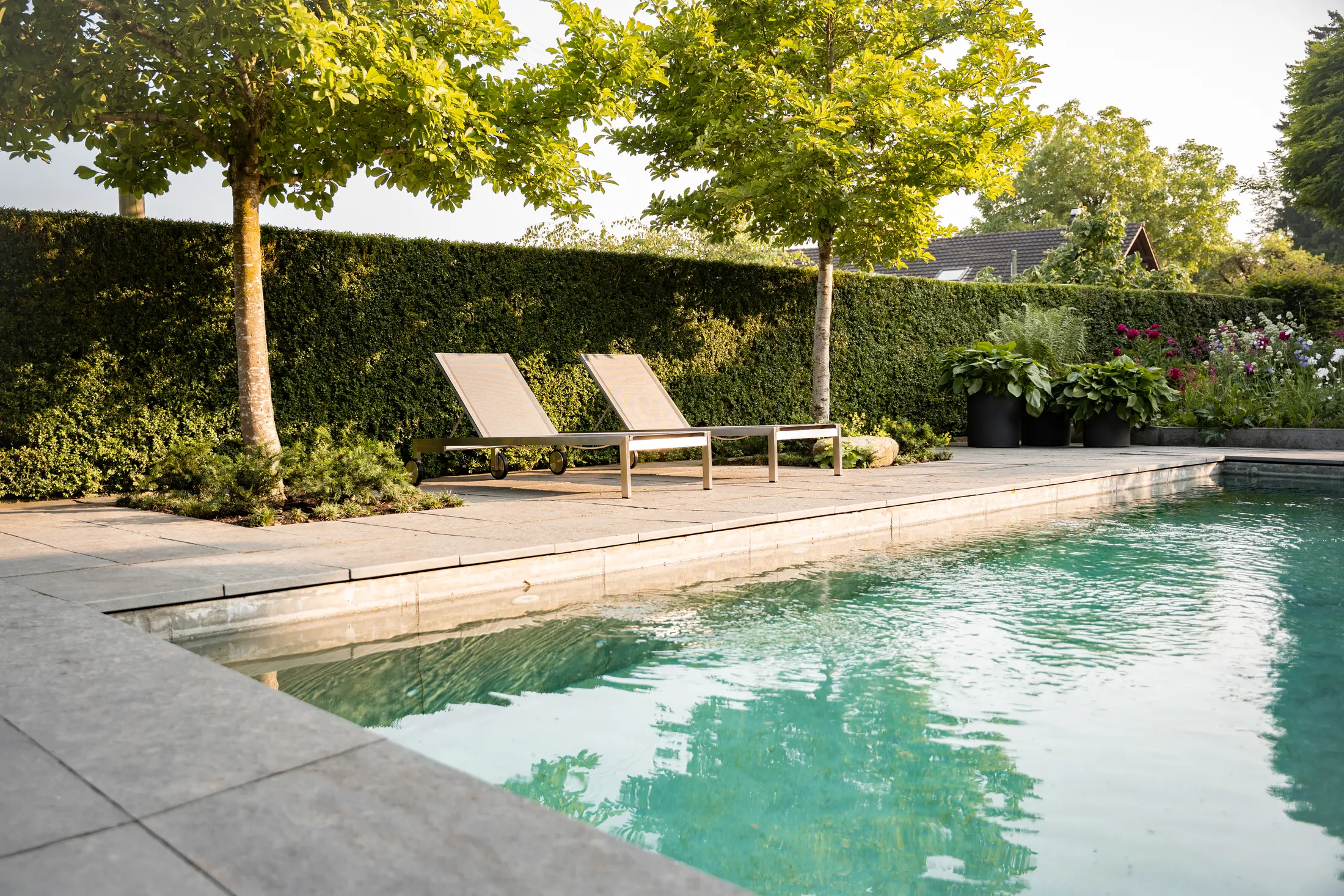
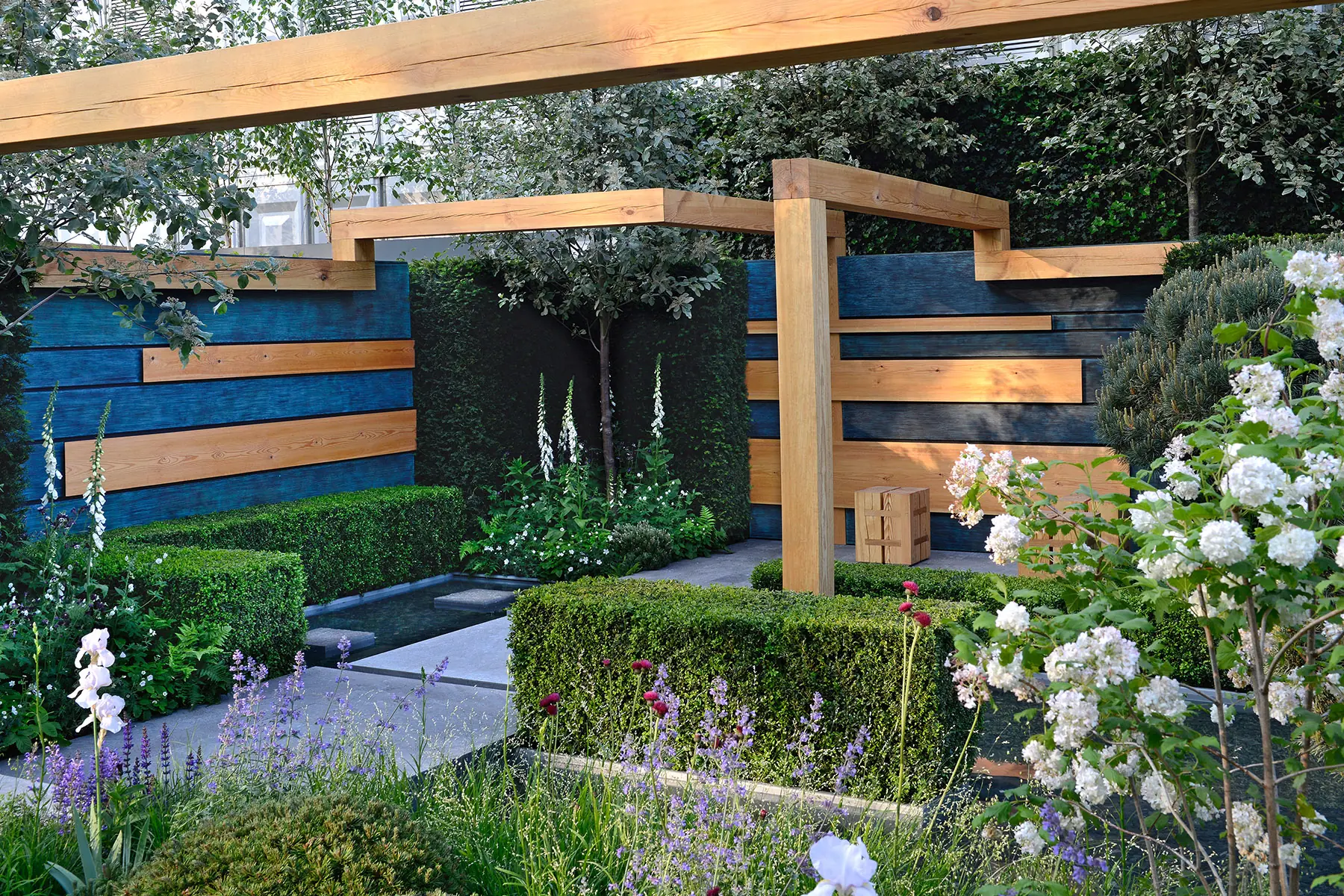
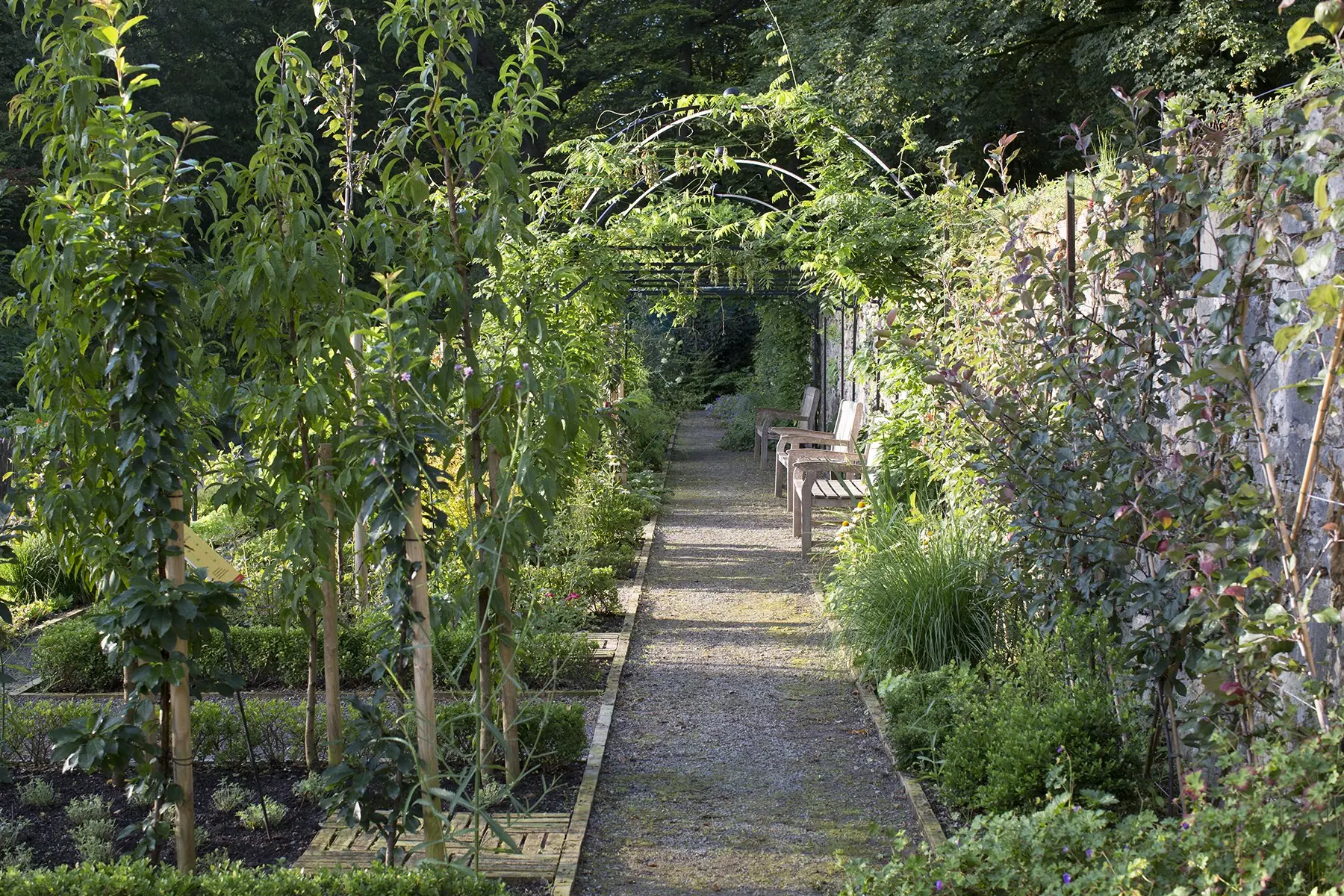
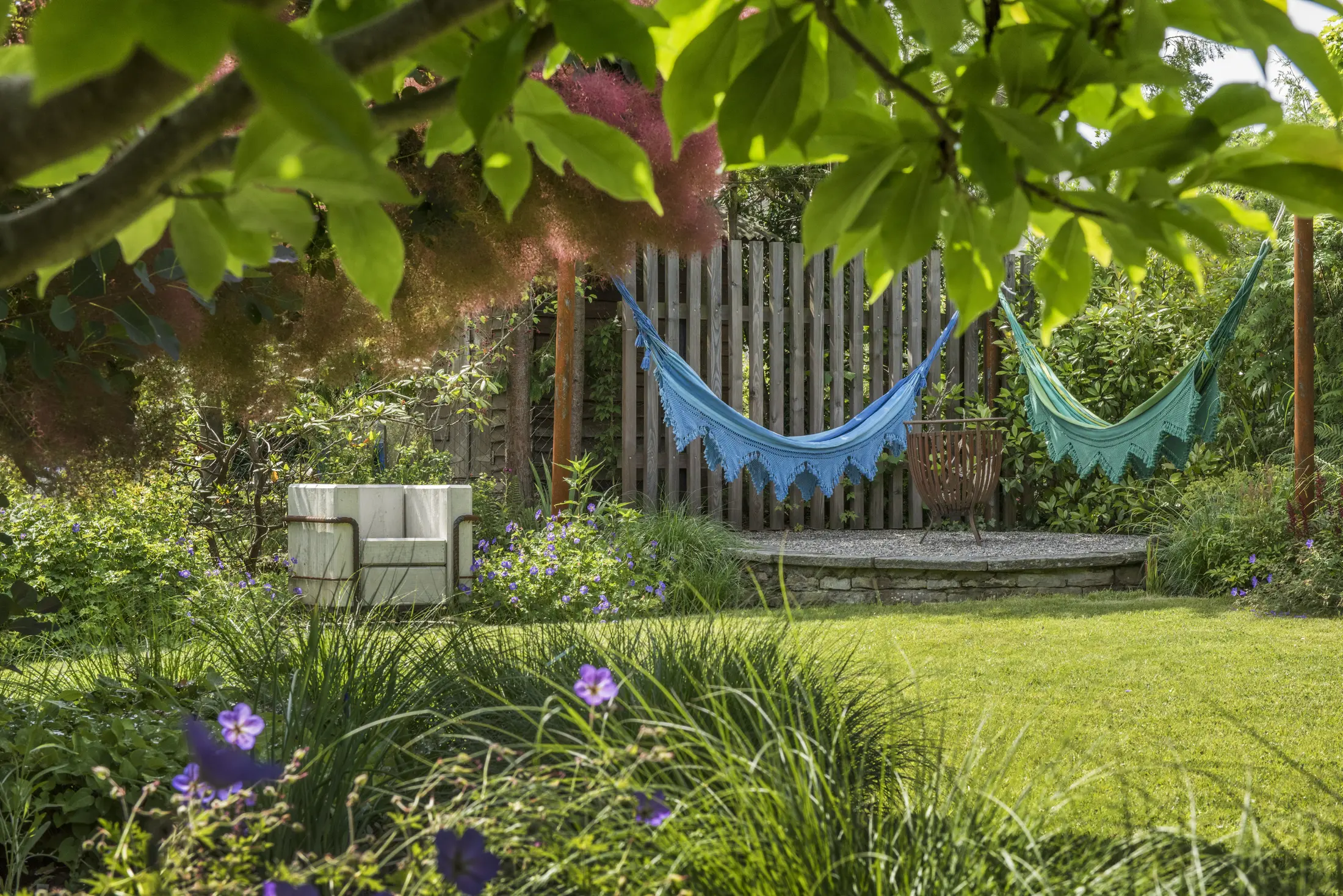
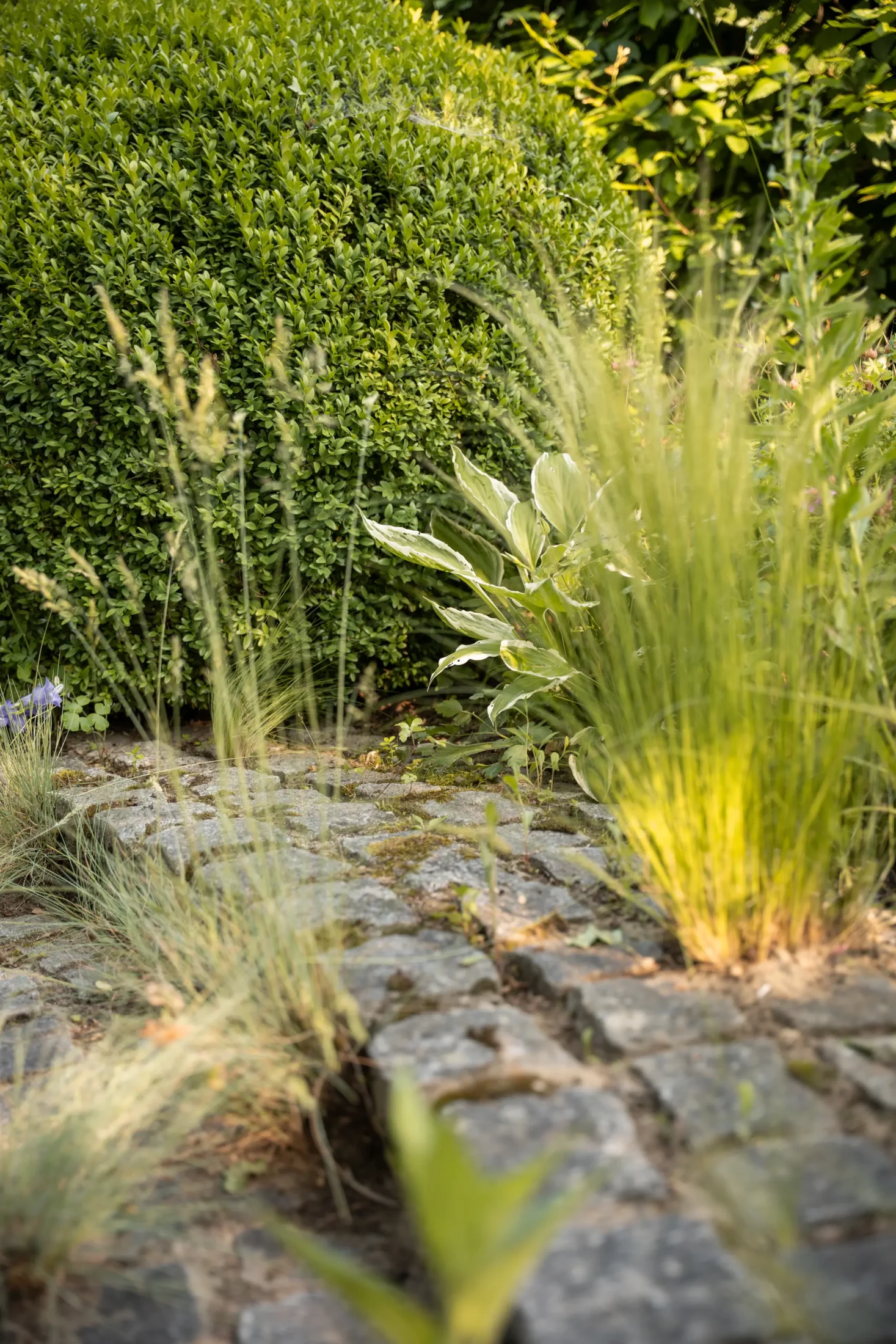
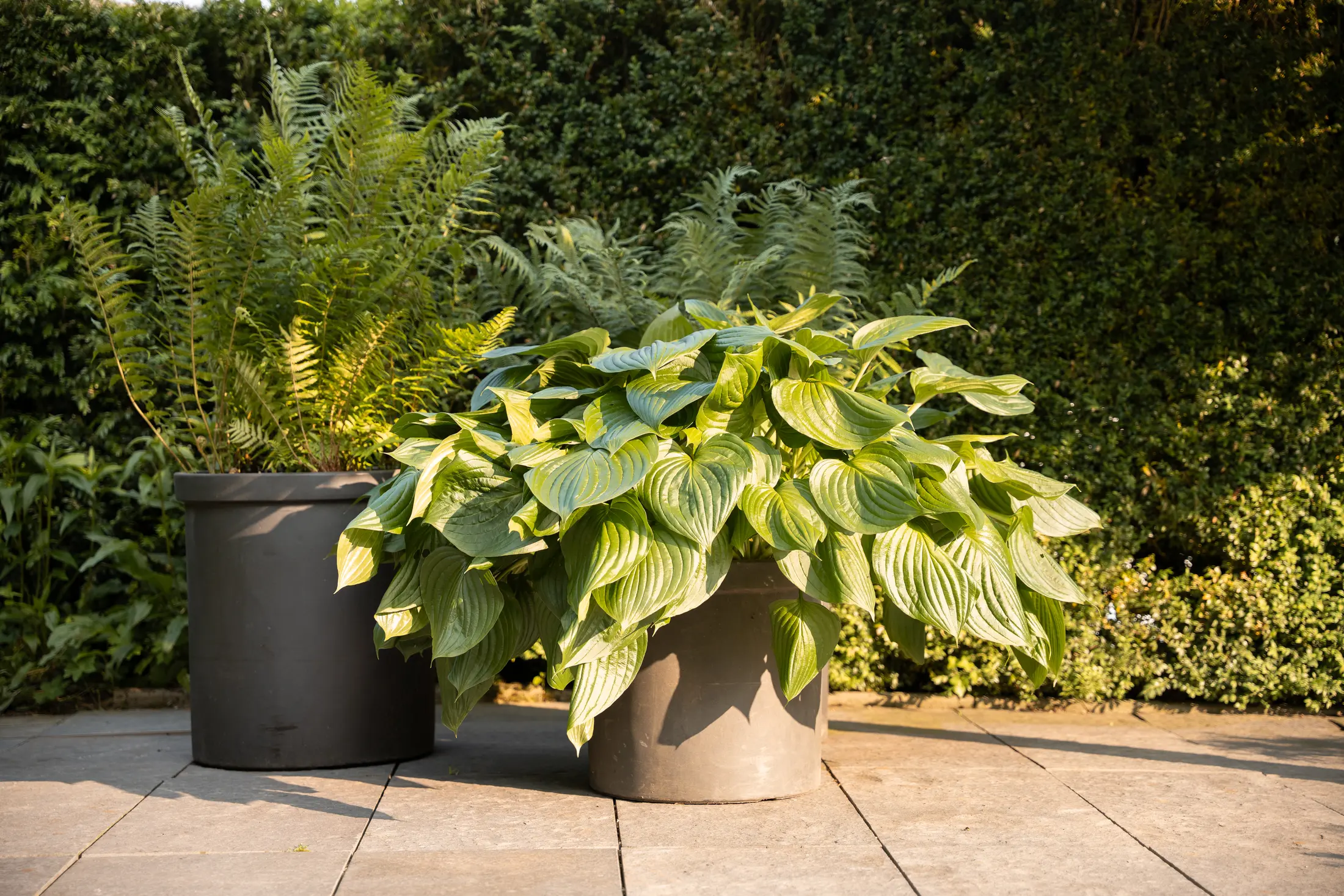
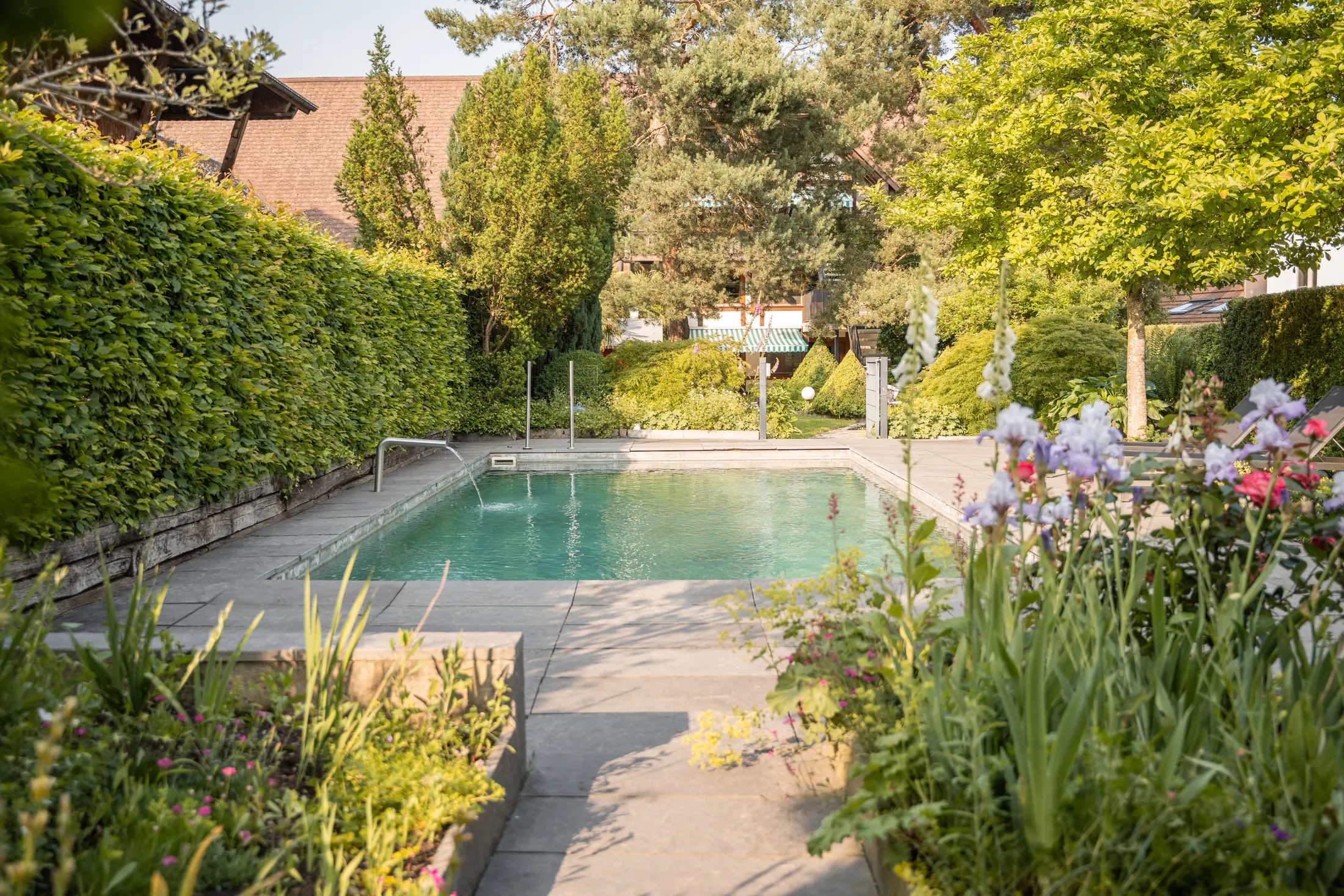
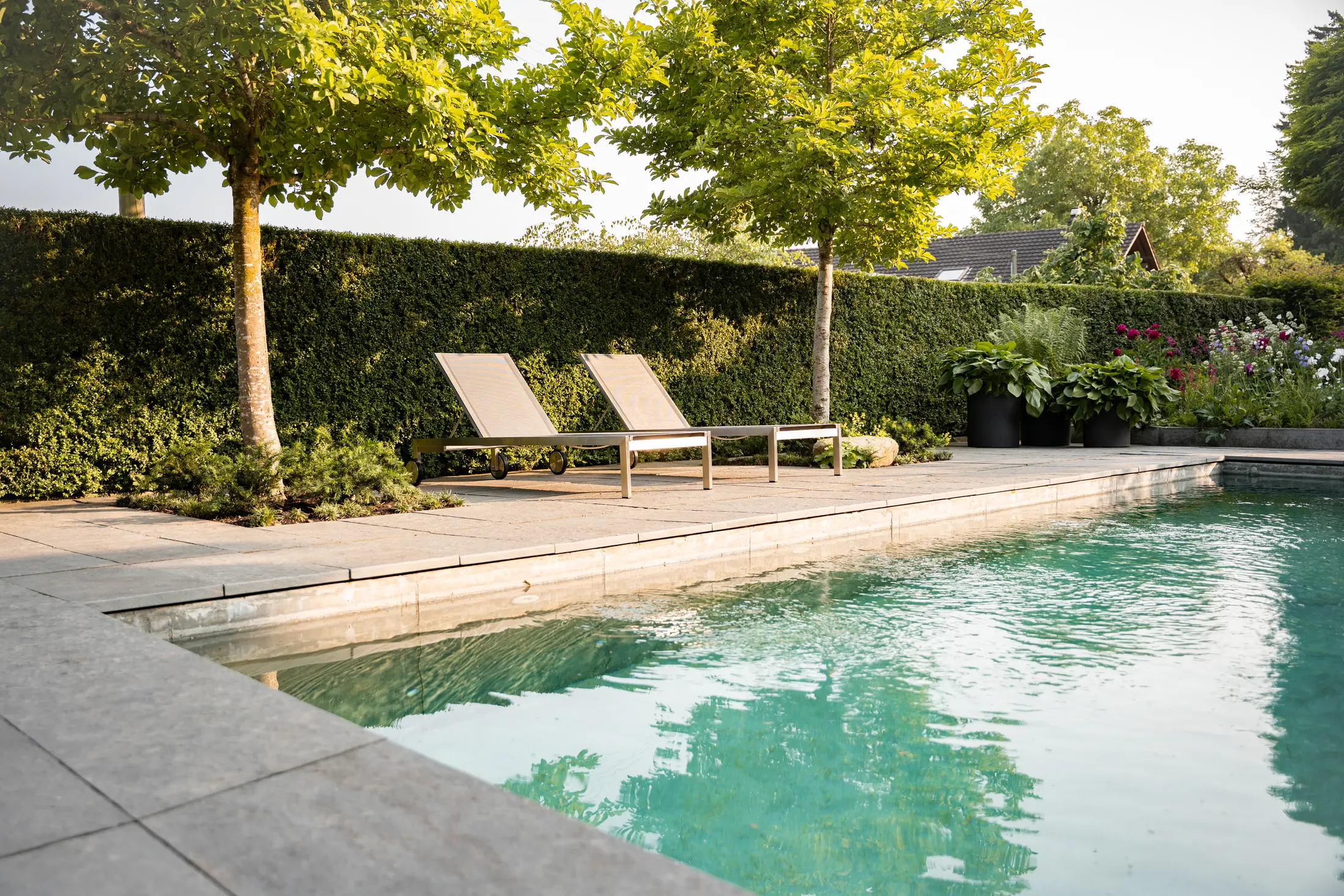
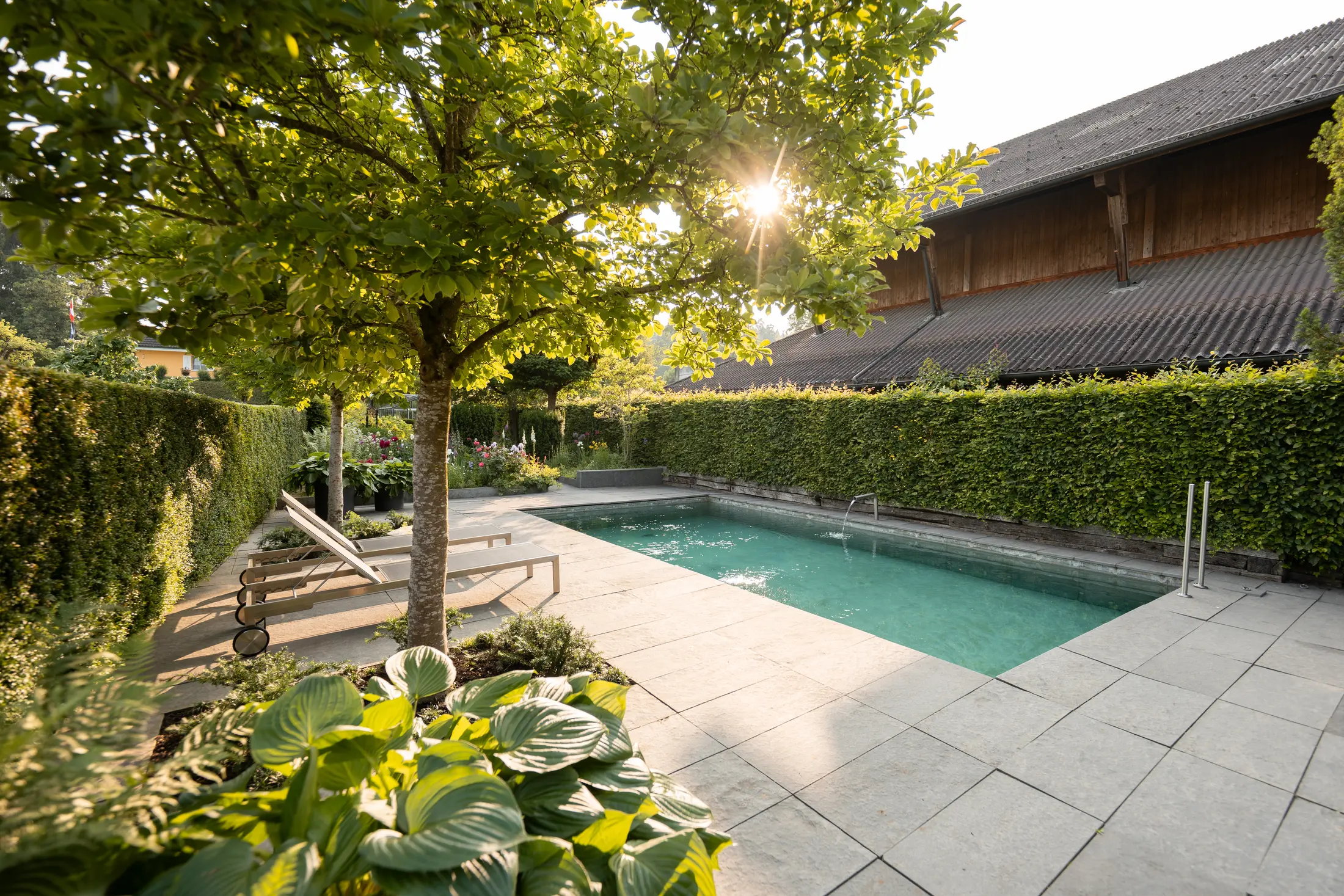
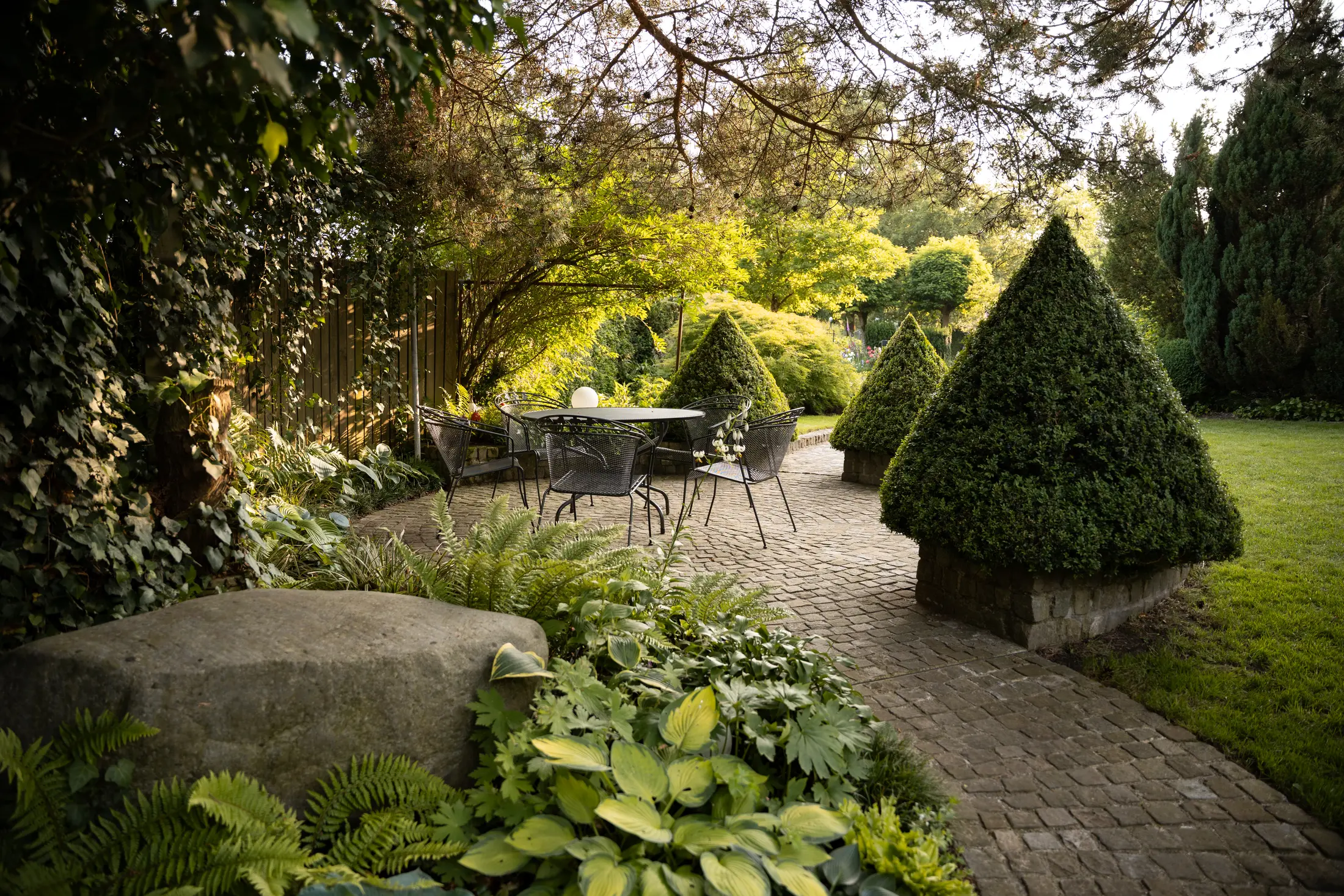
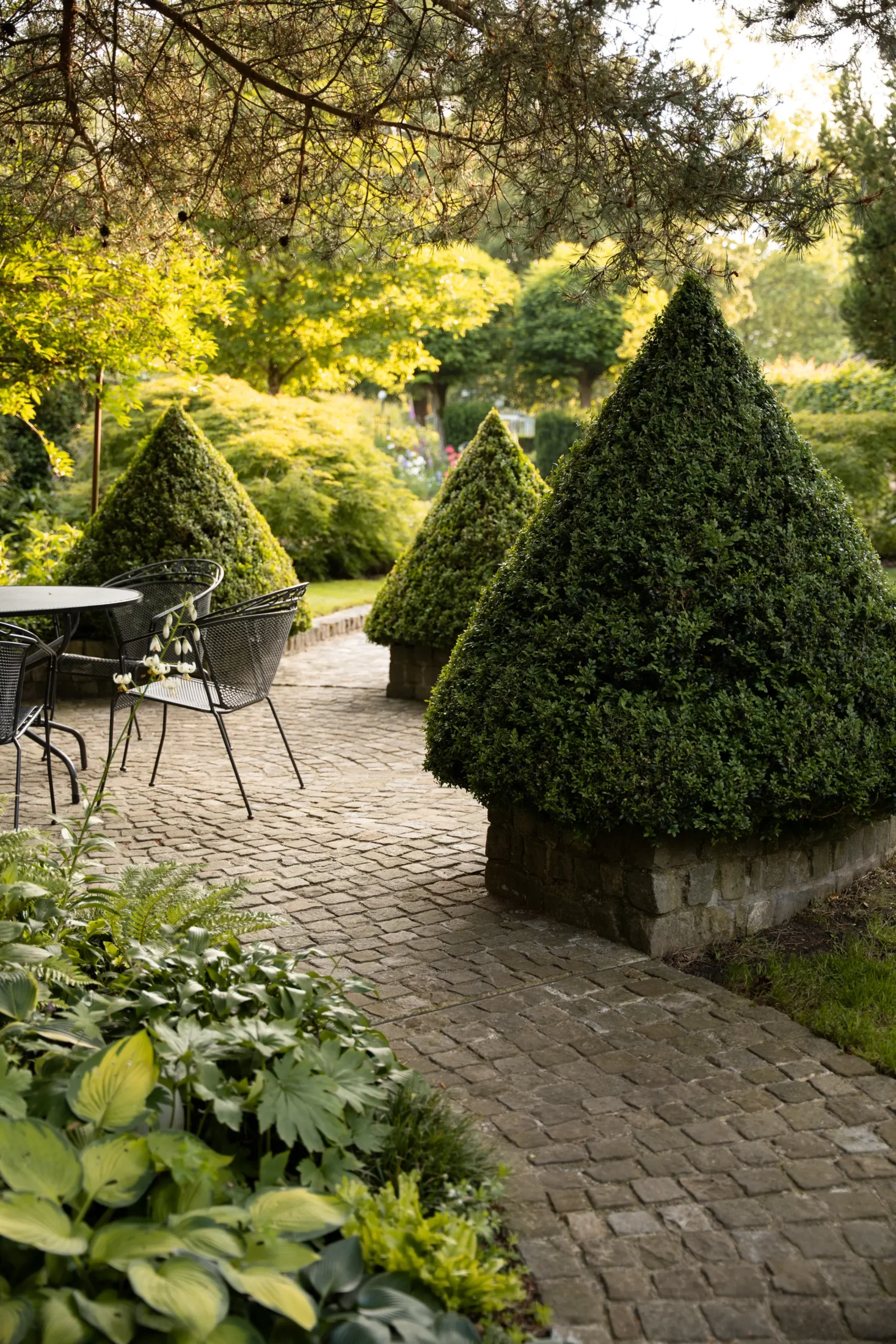
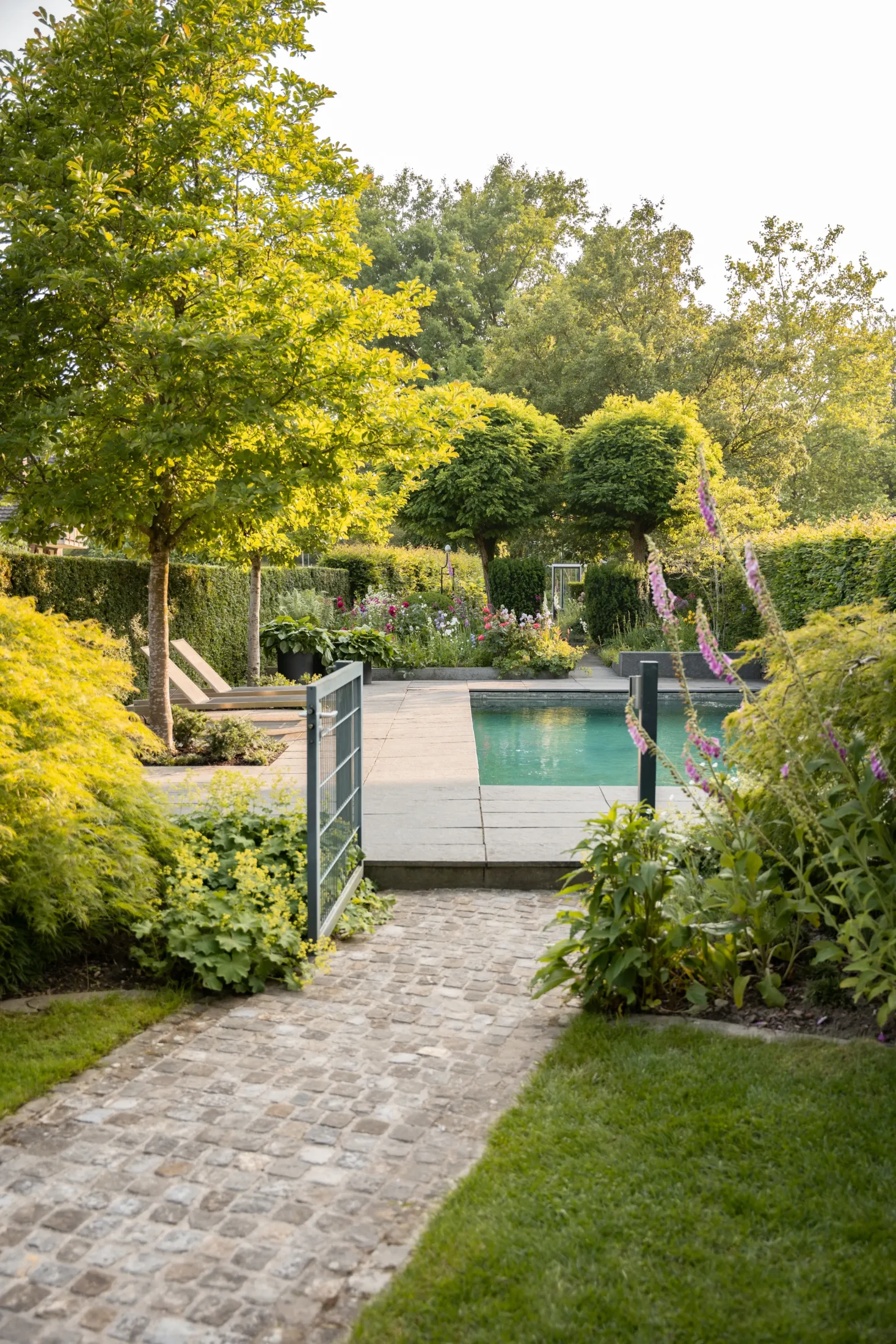
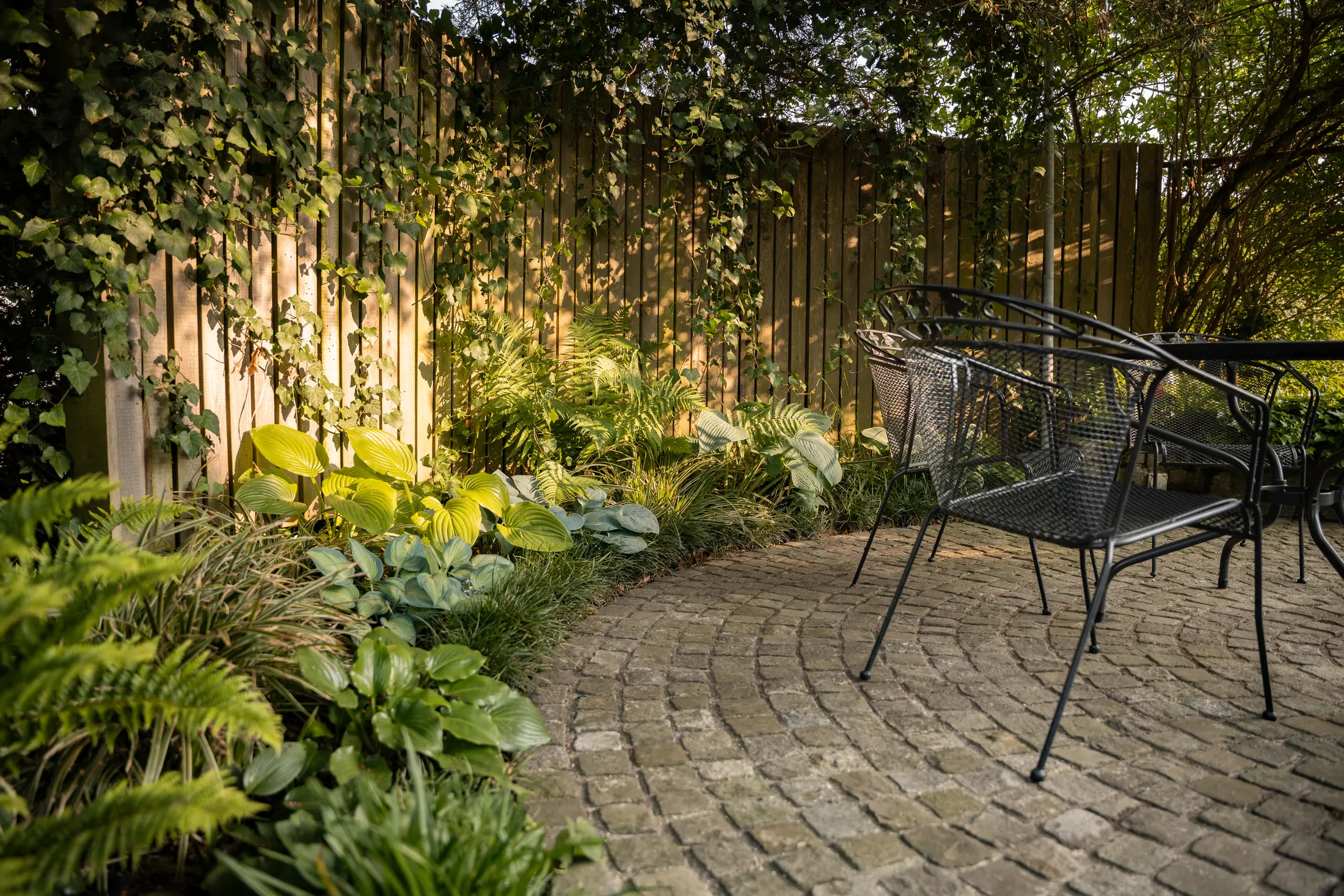
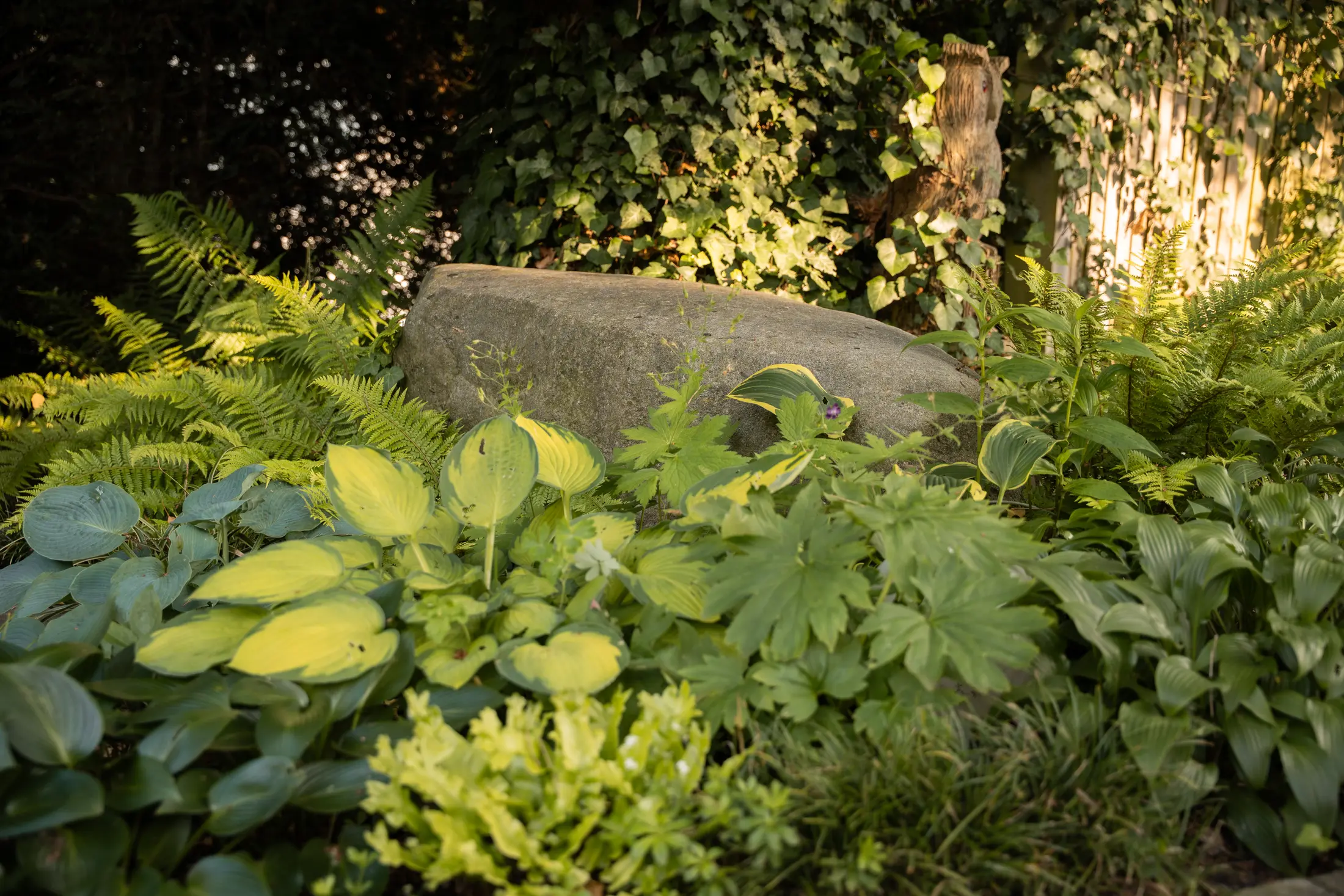
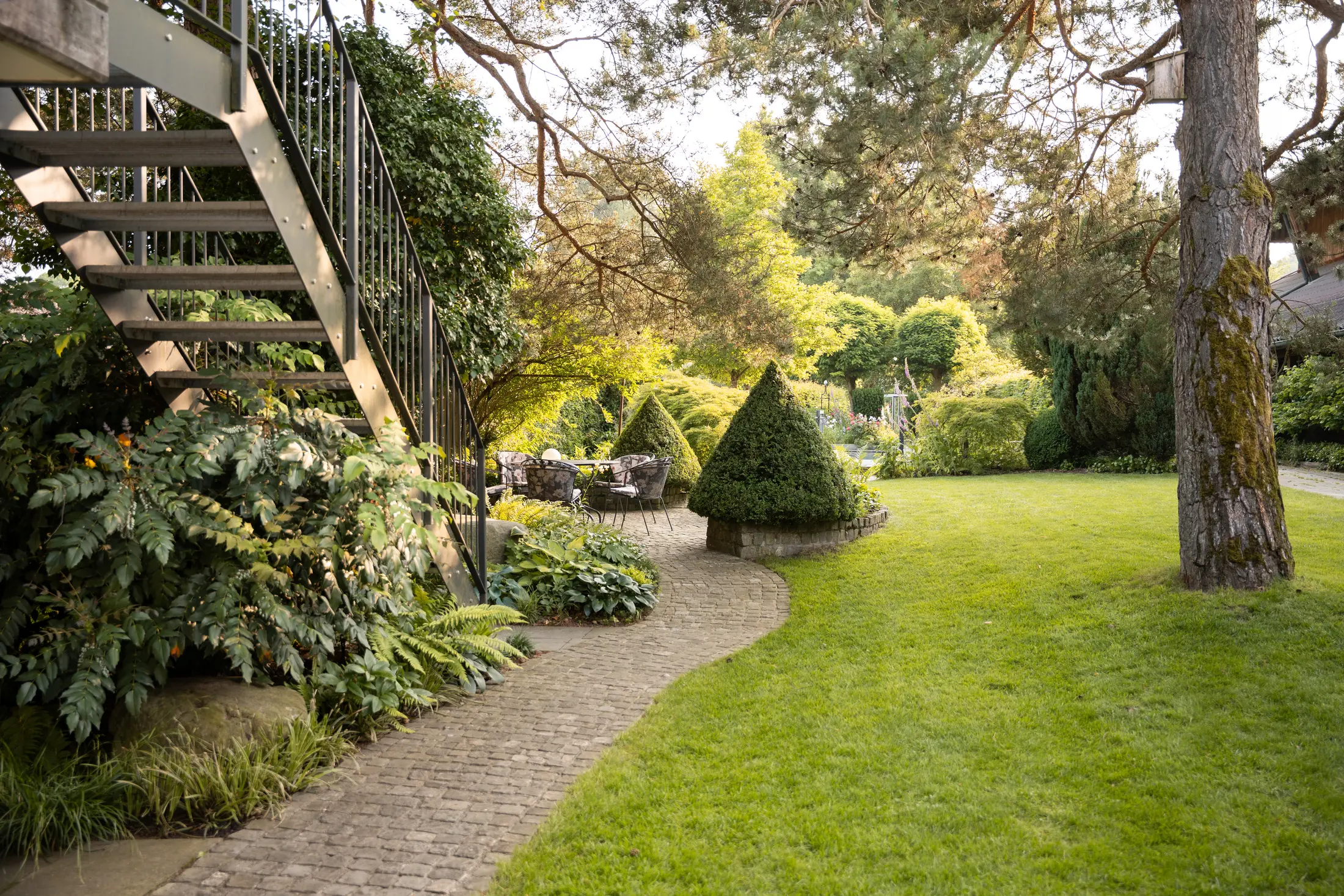
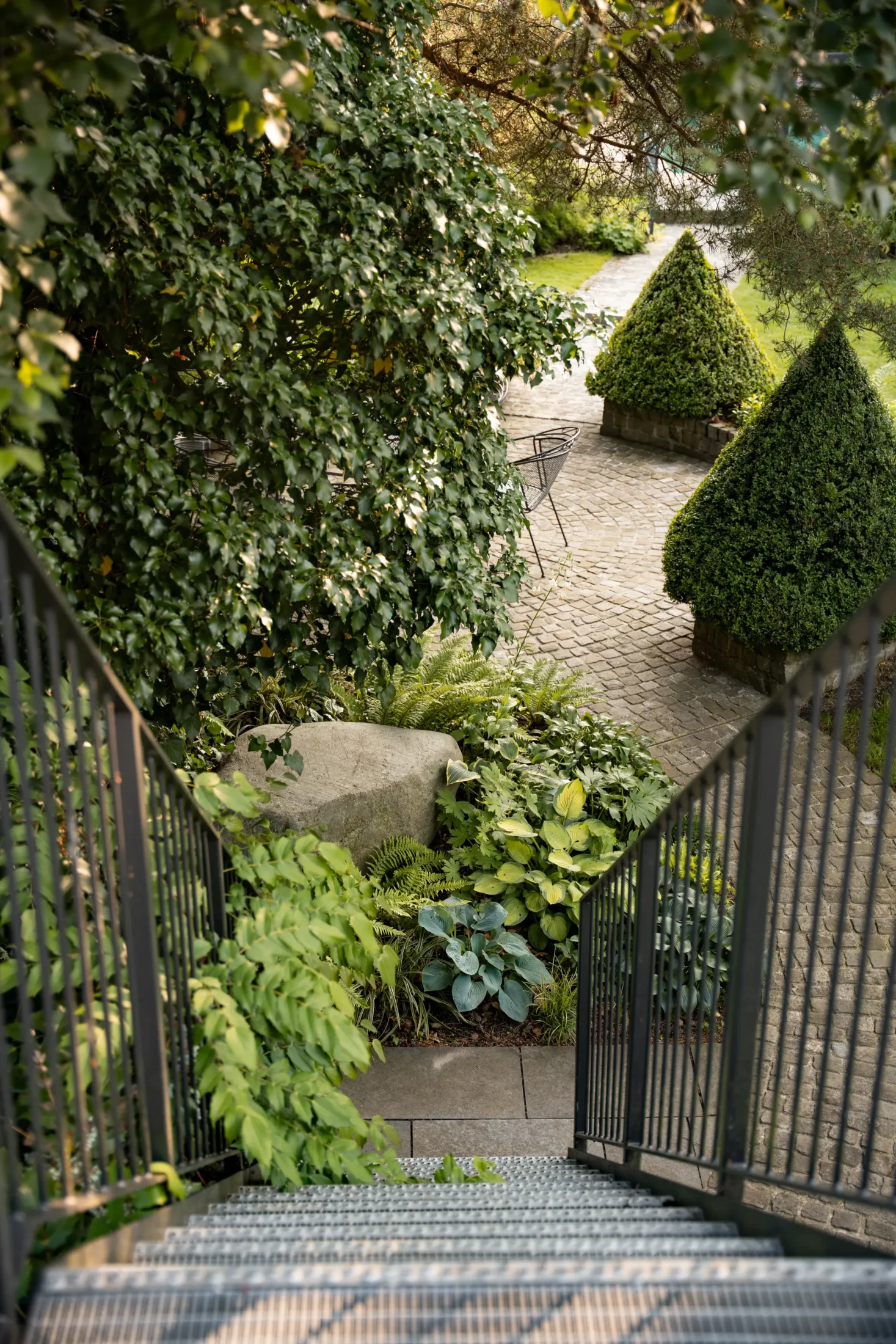
The glasshouse is where it all began: box cuttings from the castle garden at Rapperswil, grown over decades into characterful topiary. The sunken garden is a hortus conclusus in the true sense, enclosed by clipped hedge blocks, barely visible from outside and carried by drought-tolerant, naturalistic planting. The pool area follows a clear, geometric order, pared back and shaded by star magnolias. At the very front stand two Scots pines more than 50 years old, a homage to the surrounding forest, in which the pine is one of the defining tree species. In their shade unfolds an interplay of leaf textures and shades of green: hostas, ferns, grasses and a large mahonia. The chestnut tree has stood in the same place for more than 120 years, the two pines for more than 50. Together with the other native trees and shrubs, they form the framework that carries the garden through every season.
In Their Words
“Watching a plant come of age, from cutting to sculpture, creates a bond. It is an exercise in patience: accompanying it and trusting in growth and change. A garden cannot be forced; it wants to be read, planted and then left in peace. What endures gives it stability; what is alive is allowed to change. A garden does not become better because it is finished, but because it matures, year after year, often over generations.”
Daniel Auderset
More Projects
Explore a selection of Daniel Auderset’s completed projects, from small gardens to expansive estates. Each garden is a bespoke design, for those who live in it.